Skip to content


China
-
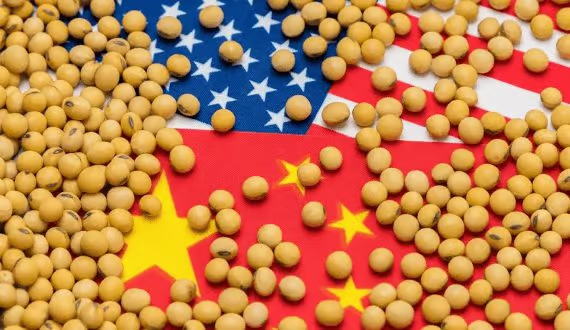
US urges China to purchase more American soybeans amid trade tensions
China, the world’s largest buyer of soybeans, typically sources the oilseed from both the U.S. and Brazil.
-
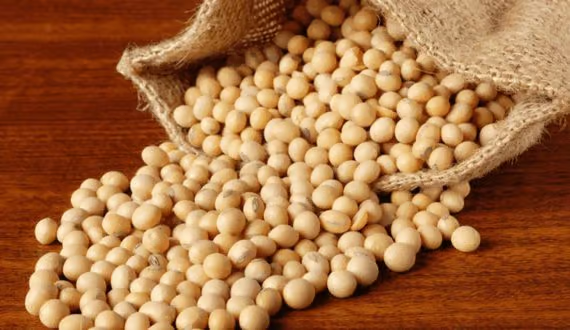
China’s July soybean imports hit record high as Brazil extends supply peak
China is projected to import 112 million tonnes in the 2025-26 marketing year.
-
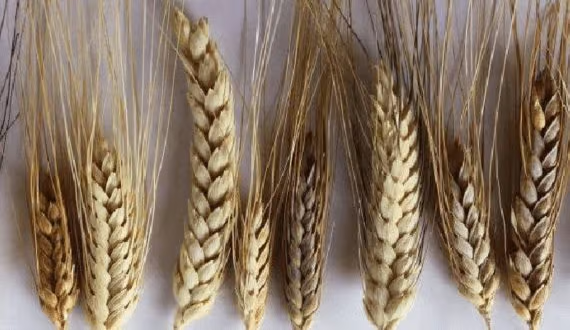
China approves 153 wheat varieties to increase productivity
The move aims to improve local production, reduce imports, and support long-term farming efficiency.
-
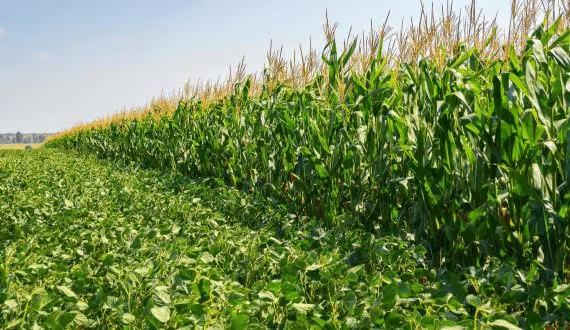
China injects US$250M to grow soybean, corn in Angola as it cuts US import dependence
60% of production is expected to be exported to China, with the remaining portion earmarked for local consumption.
-

7th China Grain Trading Conference underscores role of innovation in food security
China’s scientific and technological innovation in agriculture is playing an increasingly pivotal role in grain production and post-harvest operations.