

Grains
-

Syria signs deal to rehabilitate six grain mills with 3,000-ton daily capacity
The agreement covers rehabilitating existing and damaged facilities, modernizing production lines and equipment, upgrading operating and control systems, and improving energy efficiency.
-

P&H begins construction on grain storage expansion at Port of Quebec
The expansion is expected to improve the terminal’s operational flexibility and strengthen its role in serving domestic and international grain markets.
-
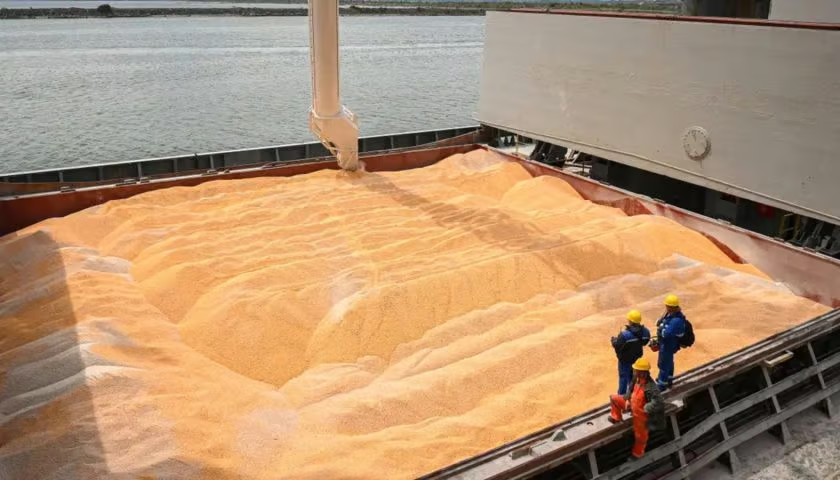
Baltic grain surge disrupts urea exports as port congestion delays shipments
The congestion is affecting nearly all fertilizer producers operating in the region and is tightening near-term urea availability ahead of expected demand from major importers, including Brazil.
-
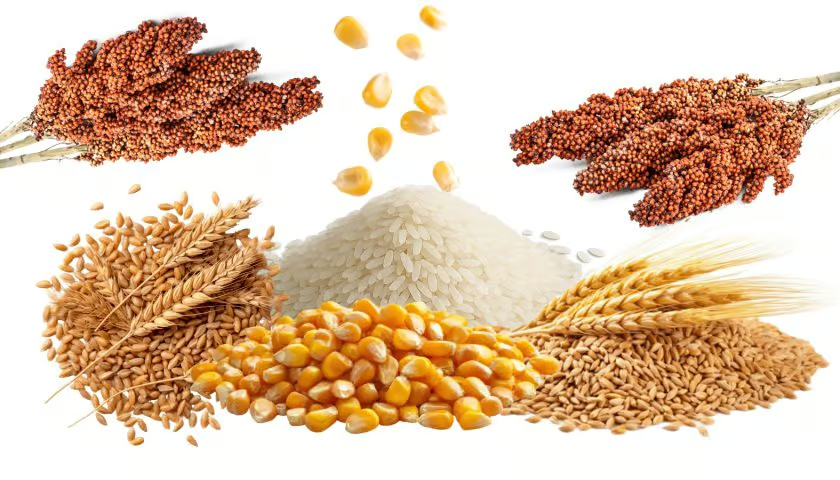
Mexico’s grain production lags domestic demand
Corn, wheat and rice imports are expected to rise to make up the difference as the United States continues to be the main supplier for grain and feed.
-
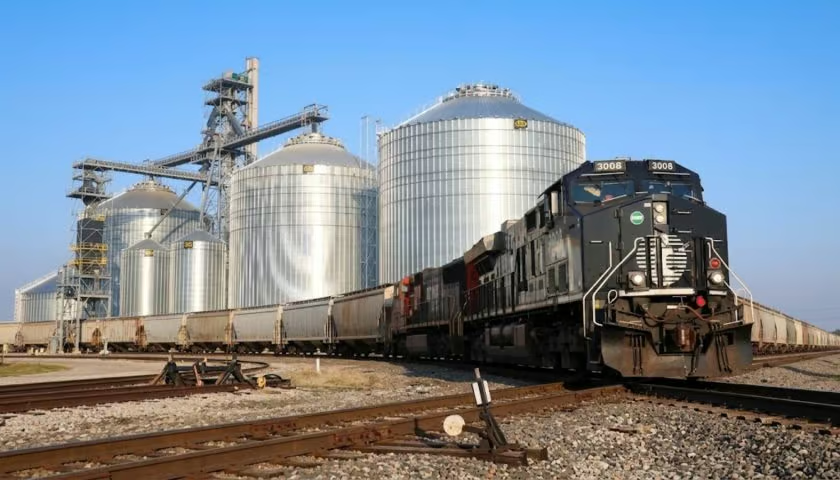
CN dispatches first grain unit train from expanded TGM facility
The expanded rail infrastructure is designed to accommodate larger unit trains and improve grain movement from the elevator to domestic and export markets.