

Egypt
-

Black Sea disruption pushes wheat buyers towards alternative origins
Key international wheat buyers from Egypt to Bangladesh are grappling with severe supply chain and trade-flow disruptions as intensified attacks on Black Sea regional infrastructure persist for a third consecutive month.
-
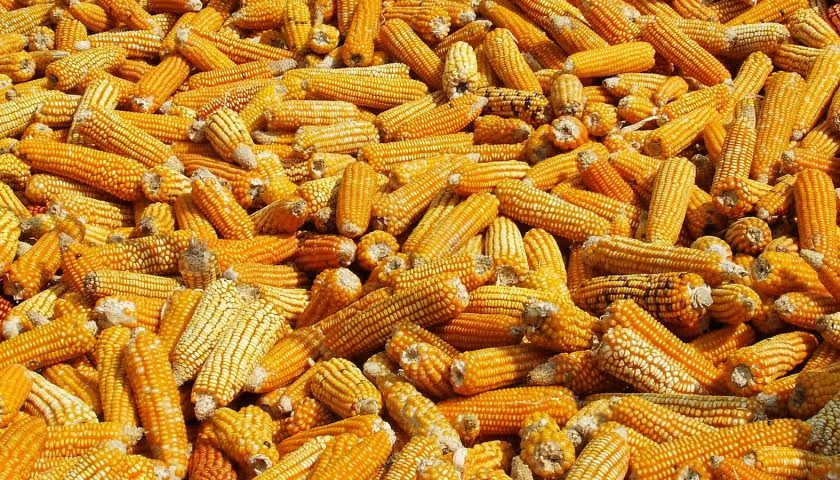
Maize set to overtake wheat as Egypt’s leading imported cereal amid feed demand rise
The shift highlights a changing structure in Egypt’s grain market: wheat remains the country’s most strategically important food crop, but rising demand for poultry and livestock feed is increasing the need for imported maize.
-
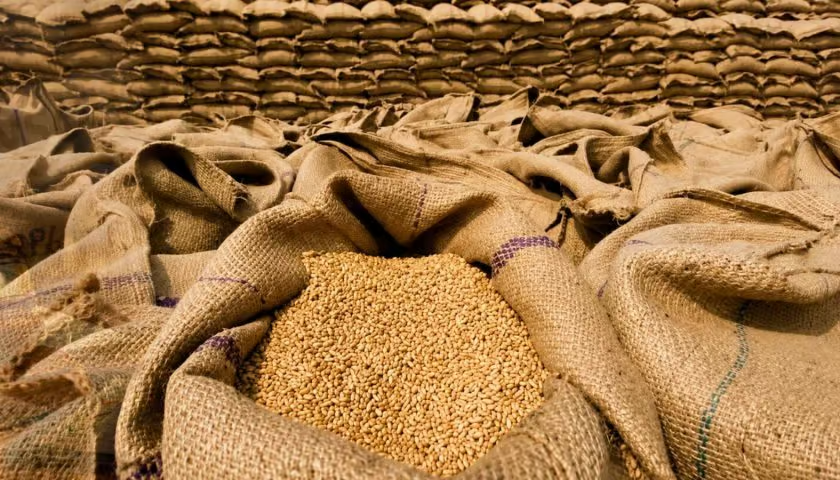
S&P Global: Egypt faces wheat supply pressure as black sea conflict escalates
The logistics bottlenecks threaten the grain flow of the world’s top wheat buyer, exposing the country’s bread subsidy program to surging import costs.
-

UAE, Egypt activate five-year wheat supply agreement to secure grain buffer
The agreement is designed to provide Egypt with a reliable and sustained supply of imported wheat, a critical commodity for the country’s food-security system.
-

Egypt procures 4.7M tons of wheat harvest
Egypt’s domestic wheat procurement rose nearly 20% from last year, but the government said it surpassed its target after adding durum wheat and seed stocks.