

Wheat
-

Iraq targets 4M tonnes of wheat in 2026/27 winter agricultural plan
The strategic decision aims to maximize national staple grain yields, particularly wheat and barley, while streamlining input supply chains for farmers across the country.
-
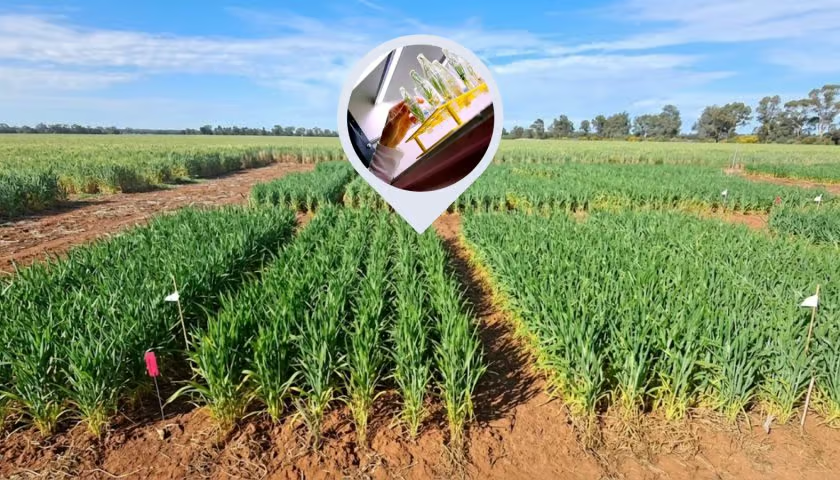
OlsAro closes US$5.6M seed investment to scale climate-resilient cereal genetics
The investment will support international field trials, research and development, and partnerships with seed companies as the business expands its portfolio of crops designed to withstand environmental stresses.
-

Black Sea disruption pushes wheat buyers towards alternative origins
Key international wheat buyers from Egypt to Bangladesh are grappling with severe supply chain and trade-flow disruptions as intensified attacks on Black Sea regional infrastructure persist for a third consecutive month.
-
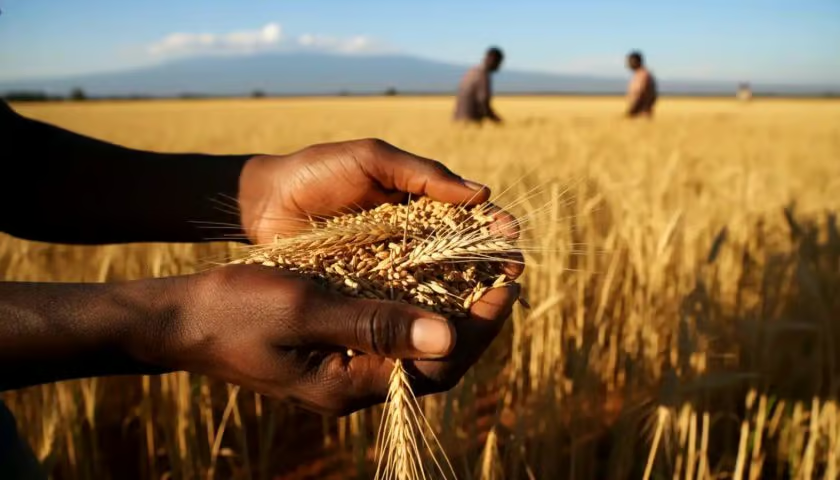
Kenyan farmers embrace barley as wheat economics tighten
Kenya has positioned itself as East Africa’s leading supplier of raw barley, with exports estimated at 39,997 tonnes in 2025.
-
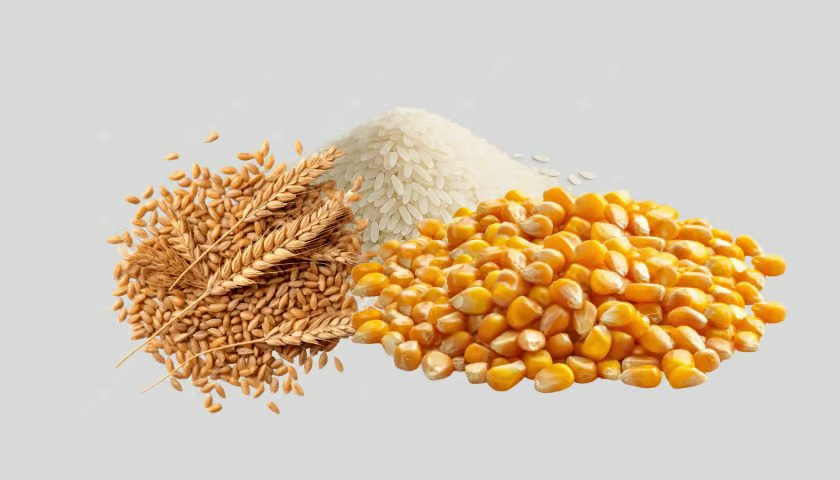
Nigeria expects lower wheat, rice, corn production in 2026/27 as costs bites
The expected declines could increase pressure on grain supply chains serving the country’s food manufacturing, milling and livestock feed industries.