

Wheat
-

South Africa’s 2026/27 wheat imports may increase as harvest falls
The second production forecast for winter crops put the overall winter crop at 2.67 million tonnes, up 2% from the previous season, but the wheat component remains under pressure due to reduced plantings and dry conditions in key growing areas.
-
Kazakhstan eyes Malawi as first wheat market in Sub-Saharan Africa
Malawi is considering importing Kazakh wheat, a move that could give Kazakhstan its first recorded wheat market in sub-Saharan Africa after years of sales concentrated in North Africa.
-

Mondelēz’s Harmony evolves into independent wheat sustainability initiative
The initiative has grown from a company-led sourcing project into a wider agricultural programme involving more than 1,200 farmers committed to sustainable wheat cultivation practices across Europe.
-
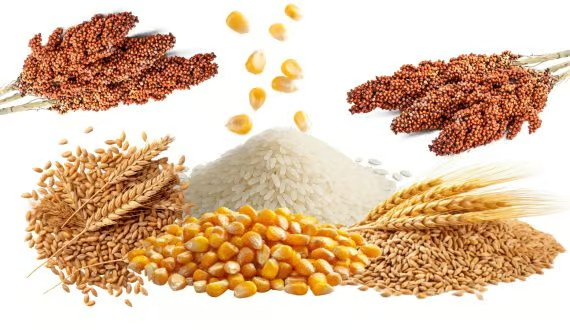
Mexico’s grain production lags domestic demand
Corn, wheat and rice imports are expected to rise to make up the difference as the United States continues to be the main supplier for grain and feed.
-

Italian soft wheat flour exports rise 14.8% as US demand accelerates
This growth pushes year-end projections toward the 400,000-ton mark, according to ITALMOPA, the Italian Association of Industrial Millers.