

Rice
-
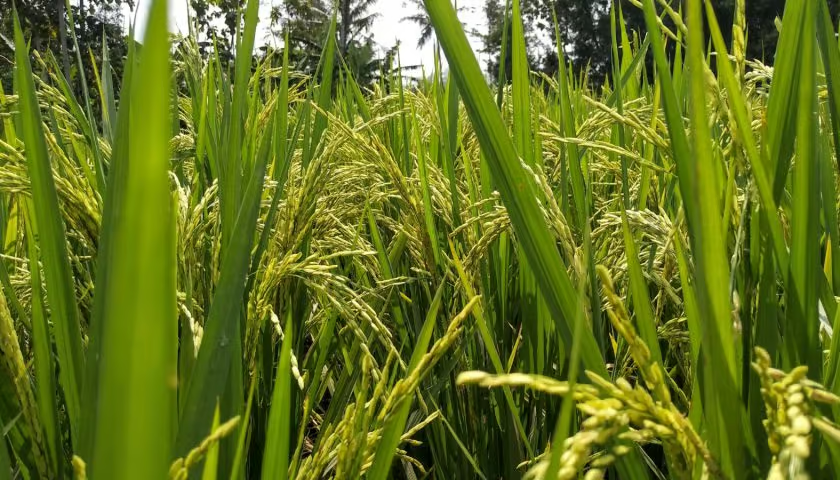
Rize raises US$31M in Series B funding to scale sustainable rice farming
The financing will support the company’s ambition to scale sustainable rice production while reducing greenhouse gas emissions from one of the world’s most important staple crops.
-
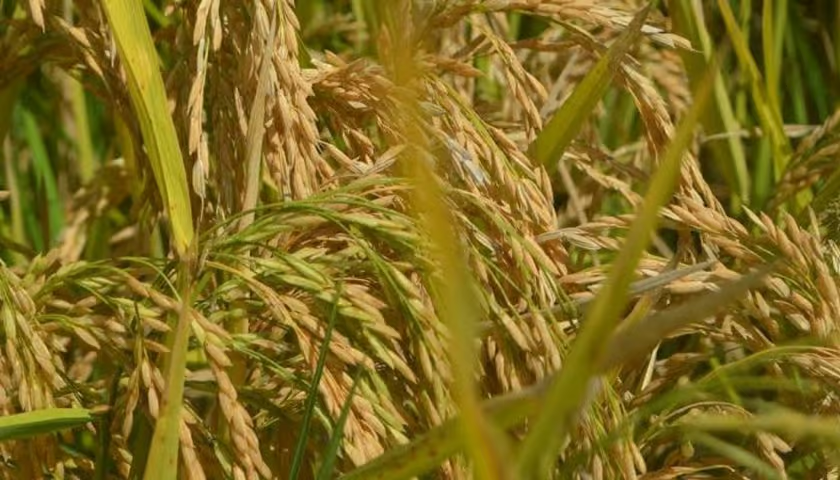
High Court orders disclosure in Kenya rice import case as farmers fear more market pressure
The court has directed government agencies to release records linked to the duty free importation of 490,000 tonnes of rice within seven days.
-

Cameroon, Angola lead Central Africa’s rice imports as ECCAS pushes for higher local production
Central African countries continue to spend hundreds of millions of dollars on imported rice as regional leaders step up plans to increase local production.
-

Rice gene lifts drought yields by up to 42%, offering hope for climate resilient farming
Scientists found that a single rice gene can protect plants from drought while helping them maintain healthy growth, leading to much higher yields in field trials.
-
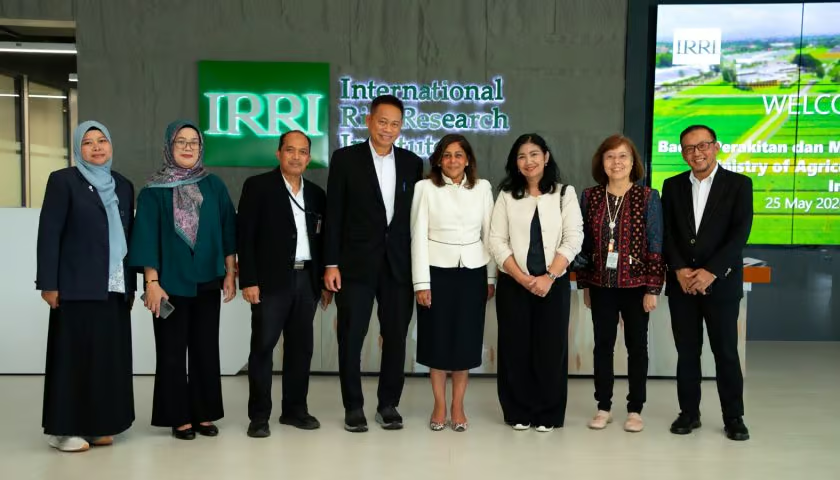
IRRI, Indonesia renew rice research partnership to support climate-ready farming
The renewed agreement builds on more than six decades of cooperation between Indonesia and IRRI as both sides seek to strengthen rice production, research capacity, and climate resilience.