

Rice
-

Nigeria receives US$3.7M from Japan to strengthen its rice seed production system
The support aims to improve the production and availability of certified rice seed, addressing one of the major constraints affecting productivity and efforts to expand domestic rice production.
-
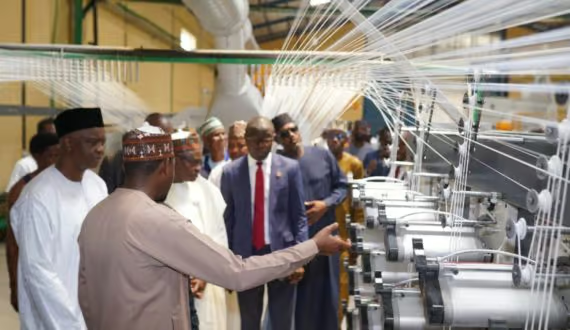
BlackHorse Holding launches integrated 400-mt rice mill, 240MT sack plant in Nigeria
The new rice mill is expected to strengthen local milling capacity, improve packaging efficiency and support Nigeria’s drive to achieve greater self-sufficiency in rice production.
-
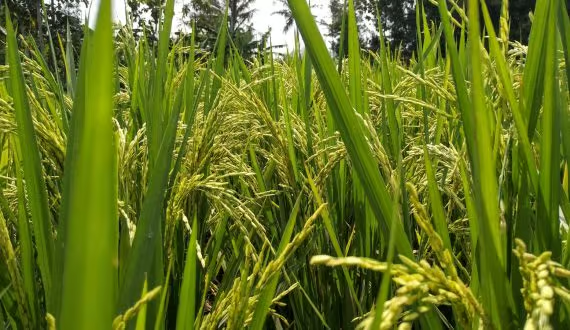
Rize raises US$31M in Series B funding to scale sustainable rice farming
The financing will support the company’s ambition to scale sustainable rice production while reducing greenhouse gas emissions from one of the world’s most important staple crops.
-
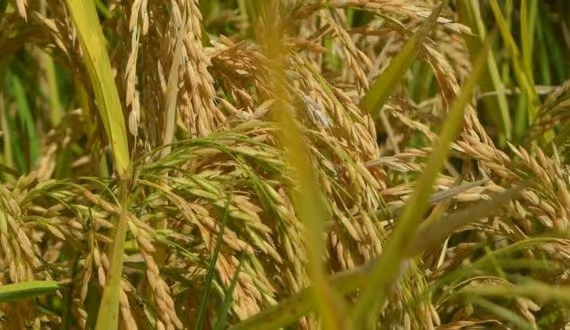
High Court orders disclosure in Kenya rice import case as farmers fear more market pressure
The court has directed government agencies to release records linked to the duty free importation of 490,000 tonnes of rice within seven days.
-

Cameroon, Angola lead Central Africa’s rice imports as ECCAS pushes for higher local production
Central African countries continue to spend hundreds of millions of dollars on imported rice as regional leaders step up plans to increase local production.