

Rice
-

AfricaRice, AATF sign five year agreement to strengthen Africa’s rice production
The new partnership aims to help more farmers access improved rice technologies as Africa works to reduce its dependence on imports.
-
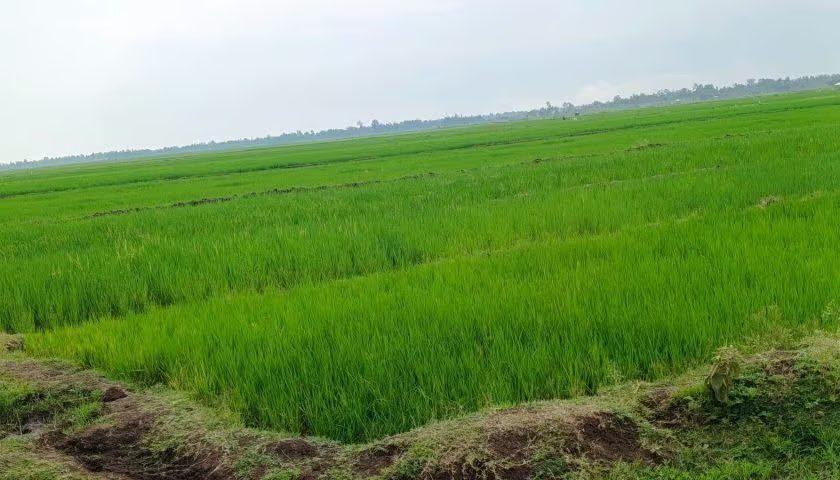
Kenya steps up national rice survey as government seeks higher local production
The survey aims to give the government fresh data to guide investments, improve irrigation, and increase local rice production.
-
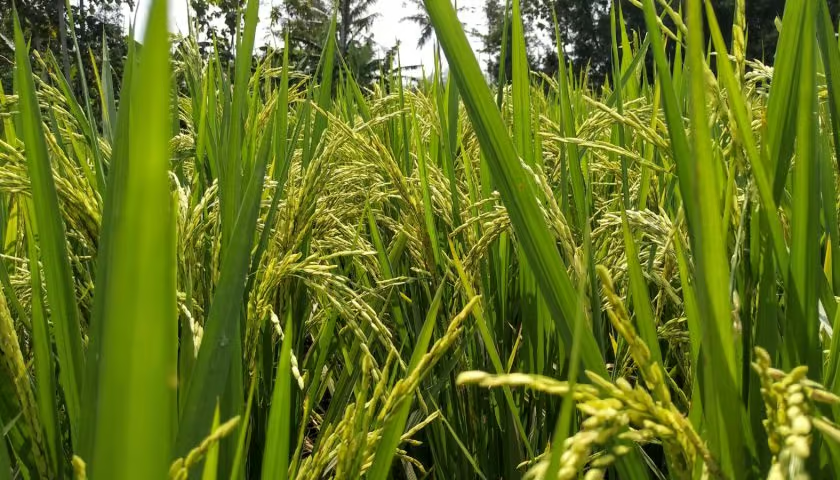
Rize raises US$31M in Series B funding to scale sustainable rice farming
The financing will support the company’s ambition to scale sustainable rice production while reducing greenhouse gas emissions from one of the world’s most important staple crops.
-

Mali steps up support for local rice as sector pushes for policy changes
Government purchases have started to reduce stock levels, but industry leaders say stronger trade policies and better processing remain key to securing the future of Malian rice.
-

Researchers urge single approach to crop breeding as IRRI expands low emission rice work
Scientists say future crops must improve food production, nutrition, and climate resilience at the same time to meet growing global food needs.