Skip to content


Soybean
-
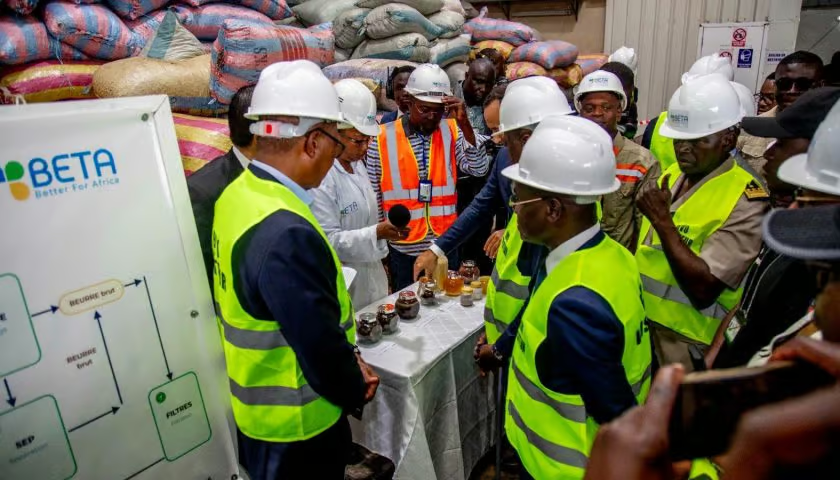
Côte d’Ivoire strengthens soybean processing capacity with new US$17M plant
The facility can process 70,000 tonnes of raw materials a year, turning shea into butter and soybeans into oil and oilseed cake.
-
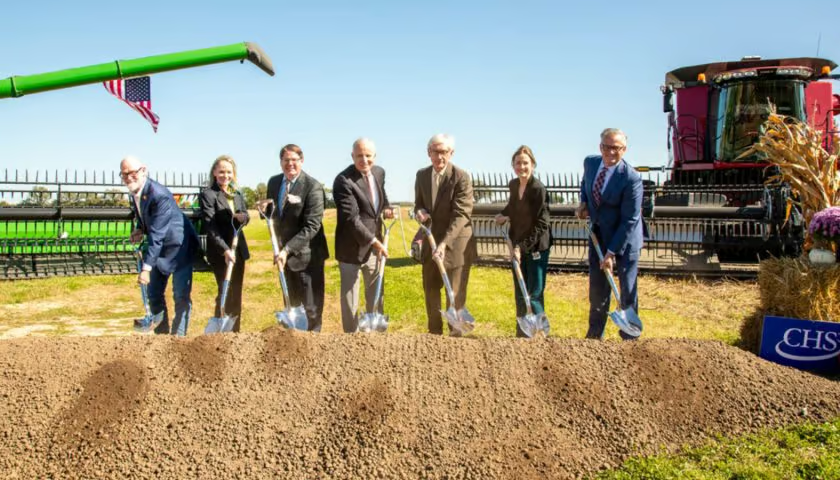
CHS breaks ground on US$700M soybean processing plant
The facility is expected to process 80 million bushels of soybeans annually, producing about 1 billion pounds of soybean oil and 2 million tons of soybean meal.
-
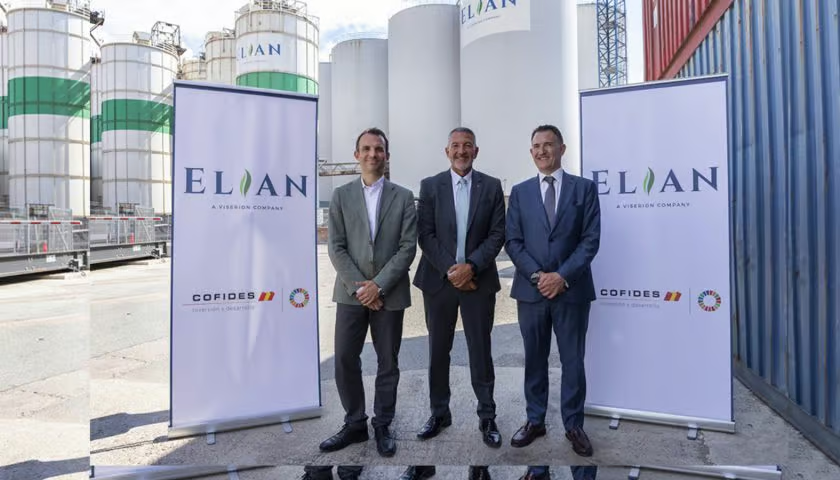
Elian secures US$45.7M investment to expand plant-based protein production
The facility employs clean-label oilseed processing technology to operate as the world’s first agro-industrial plant with an end-to-end hydrocarbon-free extraction process from raw bean to finished ingredient.
-
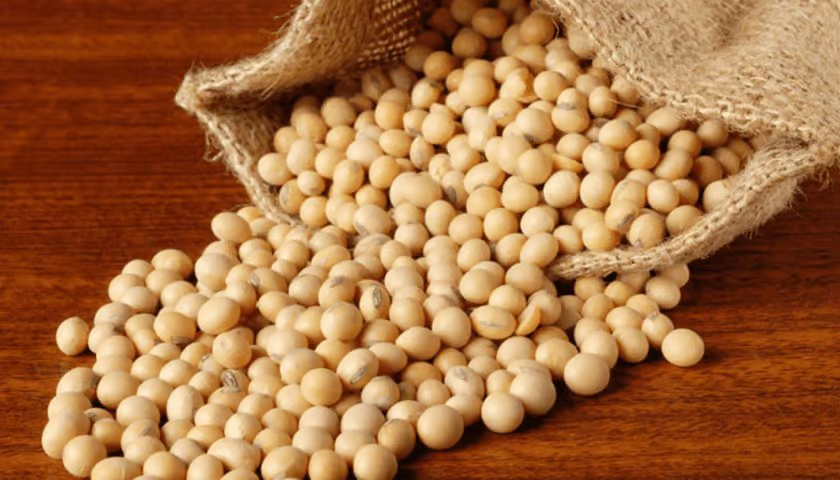
China continues US soybean push amid South American purchases
The renewed push for US oilseeds comes as Brazilian and Argentine suppliers typically dominate global agricultural trade.
-
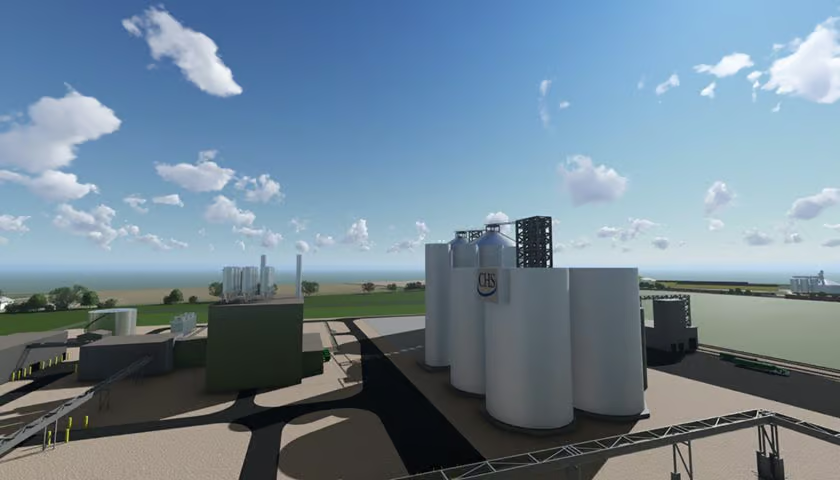
CHS to build US$700M soybean processing plant
Construction is expected to begin in the coming weeks, with the facility targeted for completion in fall 2028.