

Wheat
-

UAE, Egypt activate five-year wheat supply agreement to secure grain buffer
The agreement is designed to provide Egypt with a reliable and sustained supply of imported wheat, a critical commodity for the country’s food-security system.
-

India lifts restrictions on exports of wheat, wheat flour products
Lifting these restrictions marks a shift from a policy focused primarily on domestic supply protection to greater participation in international markets.
-

Syria restores wheat self-sufficiency, sets sights on expanding agricultural exports
This achievement follows years of declining output, heavy reliance on imports, and severe disruptions from drought and conflict, with last year’s harvest totaling only around 350,000 tons.
-
Cereal Millers Association warn delay in C60 import approvals threatens wheat flour prices
The association has stressed that every additional day of delay adds expenses without benefiting farmers, millers or consumers.
-
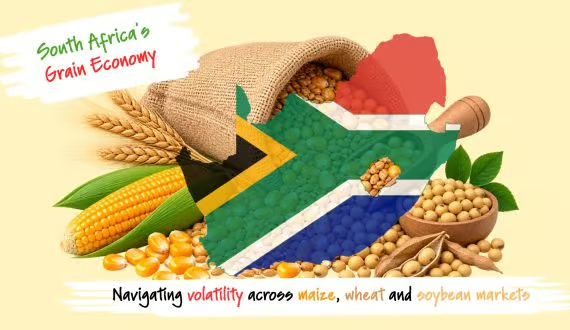
South Africa’s grain economy: Navigating volatility across maize, wheat and soybean markets
South Africa’s grain economy is anchored by maize, supported by a structurally constrained wheat sector and a rapidly expanding soybean industry.