

Wheat
-

Kellogg’s expands regenerative agriculture scheme across entire UK wheat supply
By aligning the regenerative programme with its full UK wheat requirement, the company aims to de-risk the transition for farmers while securing a more sustainable and stable supply of a key raw material for its European manufacturing network.
-
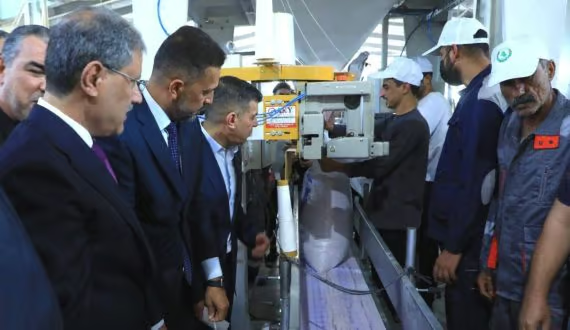
Iraq inaugurates new seed processing lines to boost wheat production
The new lines, inaugurated at a seed processing facility in the Ahleila area, have a combined capacity of 20 tonnes per hour, with each line handling up to 10 tonnes per hour.
-
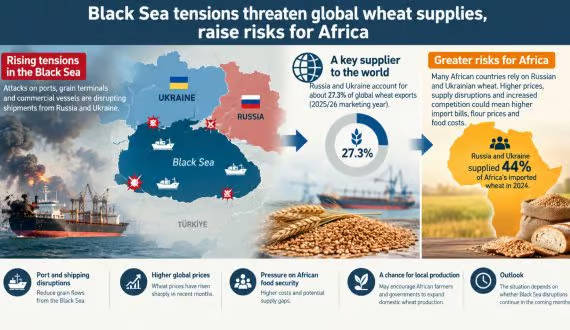
Black Sea tensions threaten global wheat supplies, raise risks for Africa
Black Sea tensions are putting fresh pressure on global wheat supplies, with disruptions to Russian and Ukrainian exports creating risks for import-dependent markets across Africa.
-
Nigeria accelerates drive to meet soaring domestic wheat demand
Nigeria is intensifying efforts to bridge the widening gap between domestic wheat production and surging consumption, even as imports remain the primary source of supply.
-
S&P Global: Egypt faces wheat supply pressure as black sea conflict escalates
The logistics bottlenecks threaten the grain flow of the world’s top wheat buyer, exposing the country’s bread subsidy program to surging import costs.