
Bayer breaks ground on US$36M canola innovation centre in Canada
The center will focus on trait integration, yield-trial seed processing, seed quality analysis, and advanced research into root biology, climate resilience, and crop efficiency.
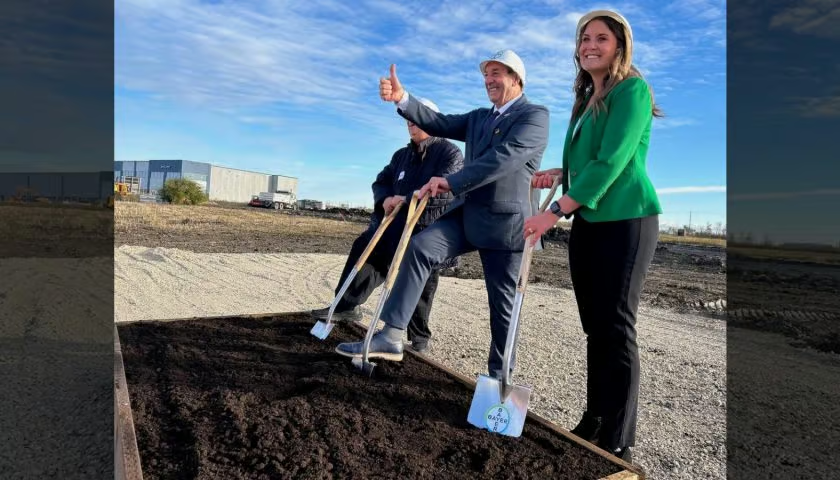
CANADA – Bayer Crop Science has broken ground on a C$50 million (US$36 million) canola innovation centre in Winnipeg, Manitoba, to accelerate oilseed research, improve crop yield stability, and develop varieties better suited to challenging growing conditions.
Bayer Crop Science Canada executives and Manitoba Agriculture Minister Ron Kostyshyn attended the groundbreaking ceremony on 16 October 2026.
The 60,000-square-foot facility is expected to strengthen the company’s research and development capabilities and support farmers across western Canada and other North American growing regions.
The centre will focus on seed development for canola, camelina, and winter canola, bringing together activities such as trait integration, yield-trial seed processing, and seed quality analysis.
Bayer expects the facility to become operational by the end of 2028, consolidating some of its existing canola breeding and seed-generation operations.
A key objective of the investment is to improve yield stability, enabling crops to perform more consistently during difficult growing seasons.
Bayer’s research will target genetic traits that help plants withstand environmental stresses, including heat and moisture shortages, which can affect flowering, seed development and final yields.
The investment builds on Bayer’s broader strategy to accelerate genetic gains through precision breeding capabilities, improved disease resistance and expanded herbicide-tolerance options.
The company said the additional infrastructure would help translate breeding advances into commercial products more efficiently.
Beyond canola, the centre will support research into camelina and winter canola, reflecting growing interest in diversifying oilseed production and identifying crops suitable for different climatic and soil conditions.
Camelina, in particular, has attracted attention for its potential in biofuel supply chains and its ability to grow in relatively dry environments.
The research could support expanding oilseed cultivation beyond traditional production areas in western Canada into parts of the United States Northern Plains and other regions where alternative crops may offer farmers additional income opportunities.
Bayer has also been exploring camelina’s potential through a strategic alliance with energy company BP.
The new centre will complement Bayer’s existing early-breeding activities at its Smartpark site in Winnipeg, while its Carman location will continue to serve as a multi-crop nursery field operation.
Together, the sites are expected to support a more integrated breeding and seed-development programme.
The investment comes as North American farmers face increasing pressure to maintain productivity amid variable weather, rising production costs and changing demand for vegetable oils and renewable fuels.
Developing oilseed varieties with more reliable performance could help reduce production risks and strengthen supply chains serving food, feed and biofuel markets.
By expanding its research infrastructure in Manitoba, Bayer aims to accelerate innovation, deliver improved seed options to growers, and reinforce Canada’s role in global oilseed research and production.
Sign up to HERE receive our email newsletters with the latest news and insights from Africa and around the world, and follow us on our WhatsApp channel for updates.