

Kenya faces 2.3M tonnes maize import requirement amid production deficit
Kenya‘s maize production is estimated at a historic low of 2.2 million tonnes, down 39% from average levels.
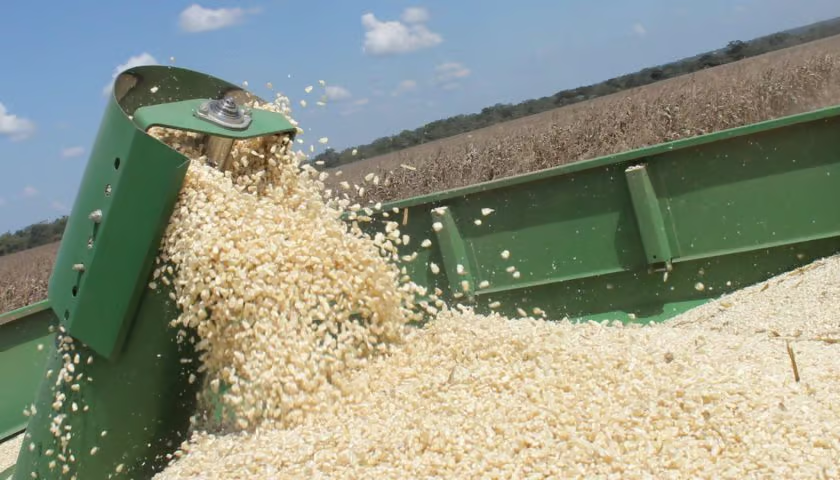
KENYA – Kenya is facing a significant maize supply deficit in the 2026/27 marketing year, with domestic production falling to a historic low of 2.2 million tonnes, prompting the government to pursue imports from Zambia and introduce duty waivers for selected feed millers.
However, legal challenges and regulatory restrictions are complicating efforts to bridge the widening supply gap, according to a report by the US Department of Agriculture’s Foreign Agricultural Service (USDA-FAS), published on November 19, 2026.
The country’s maize production is estimated to have declined by 39% compared with historical averages, following prolonged dry weather that affected crops during critical reproductive and grain-filling stages.
Limited grain stocks have further weakened the government’s ability to intervene in the market and stabilize prices.
According to USDA-FAS, Kenya’s total maize consumption is projected at 4.5 million tonnes in 2026/27, with human consumption accounting for approximately 4.15 million tonnes.
Maize remains the country’s dominant dietary staple, making demand relatively inelastic despite rising prices.
Feed and residual consumption is estimated at 350,000 tonnes, although the livestock feed manufacturing sector continues to face severe shortages of raw materials.
The supply-demand imbalance has created an annual net import requirement of approximately 2.3 million tonnes, leaving an estimated 1.98 million tonnes of additional supply yet to be secured.
Kenya imported 321,575 tonnes during the first three months of the 2026/27 marketing year, reflecting increased purchasing activity by traders and millers anticipating further shortages.
To address the deficit, the Kenyan government negotiated an agreement with Zambia to facilitate the importation of 540,000 tonnes of maizethrough private-sector operators over an 18-month period.
However, the arrangement is facing a legal challenge at Kenya’s High Court over procurement transparency, tariff structures and its potential economic impact on domestic producers.
No shipments had been made from Zambia at the time of the USDA-FAS report.
Separately, the government introduced a duty waiver covering 450,000 tonnes of maize allocated to designated Kenyan feed millers.
The exemption remains effective until June 30, 2027, with imported consignments subject to strict regulatory and end-use controls.
However, Kenya’s prohibition on commercial imports of genetically engineered (GE) maizesignificantly limits access to alternative supplies from major global producers.
Consequently, only a restricted number of suppliers can participate in the duty-free import programme, potentially increasing procurement costs.
USDA-FAS warned that limited domestic stocks and import restrictions could sustain upward pressure on grain prices, leaving Kenya increasingly dependent on imports to meet food and animal feed requirements.
Sign up to HERE receive our email newsletters with the latest news and insights from Africa and around the world, and follow us on our WhatsApp channel for updates.