

Milling & Grains – LATEST NEWS
-
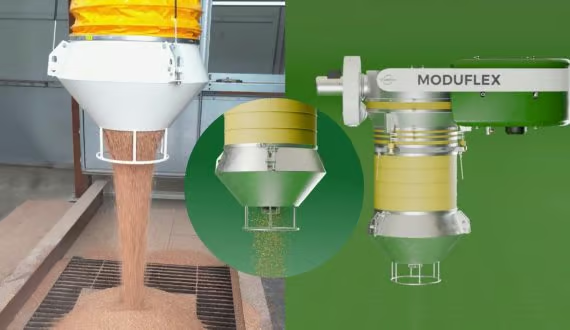
Cimbria offers Moduflex dust-free loading solution for dry bulk handling
This approach is intended to reduce airborne dust, product losses and contamination around loading stations.
-
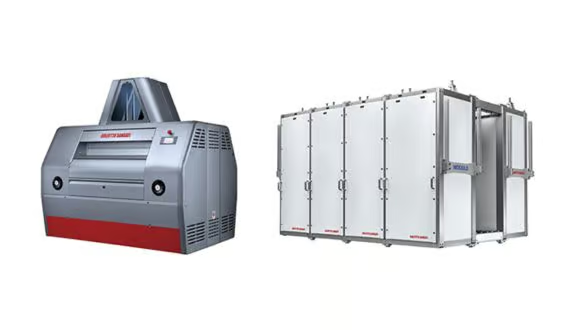
SATAKE partners with Golfetto Sangati to strengthen global cereal milling business
Through this partnership, SATAKE aims to combine both companies’ technologies and know-how to strengthen its presence in the global cereal market.
-
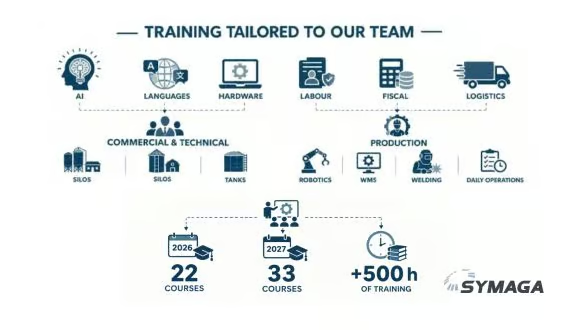
Symaga accelerates professional development with expanded workforce training program
The initiative is part of the company’s broader strategy to strengthen technical skills, support internal career progression, and remain competitive in the global grain-storage market.
-

Kernel deploys new modular grain storage solution in Ukraine
The company has since purchased several more units, which together will add 40,000 tonnes of storage capacity, and plans to make the extra space available to other agricultural producers.
-
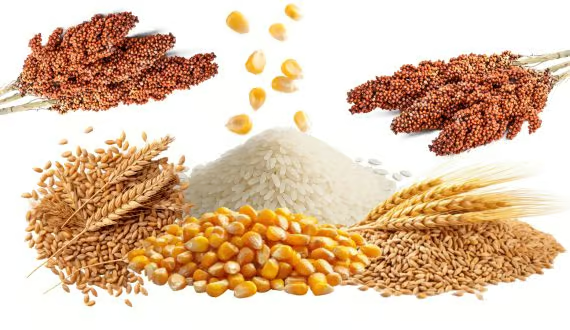
Mexico’s grain production lags domestic demand
Corn, wheat and rice imports are expected to rise to make up the difference as the United States continues to be the main supplier for grain and feed.