

Zambia clarifies maize export deal with DRC, highlights seed sector growth
Zambia confirmed that it has received inquiries from the DRC to export one million metric tonnes of maize, but no MOU has been signed.
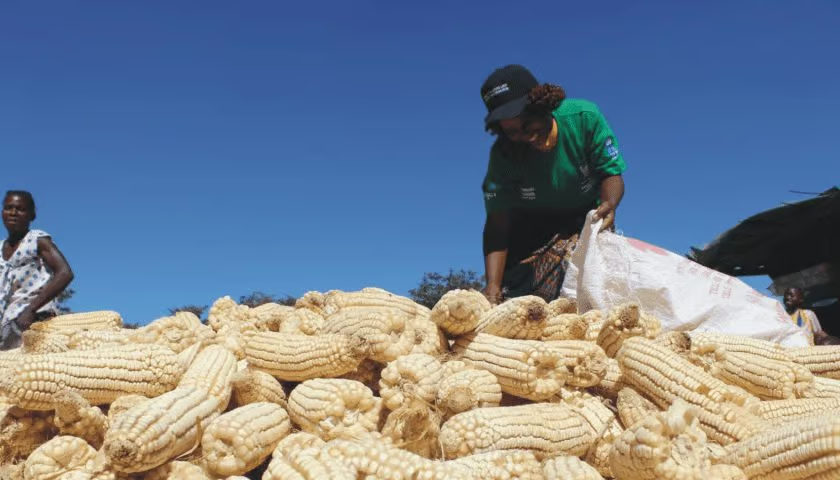
ZAMBIA – The Zambian government has denied reports that it has signed an export agreement with the Democratic Republic of the Congo (DRC) for maize shipments, amid growing interest from neighboring countries following the country’s strong 2024/2025 harvest.
The clarification follows a statement by the Food Reserve Agency (FRA) on July 18, which claimed it had entered into a deal to export one million metric tonnes of maize to the DRC.
Acting Minister of Agriculture, Mr. Peter Kapala, refuted the claim, stating that while Zambia has received inquiries from the DRC and other countries, no Memorandum of Understanding has been signed.
“It must be made clear that currently, the government’s priority is to purchase maize from farmers in a bid to build up the country’s national strategic food reserves and open up satellite depots in areas where the moisture content has reached the required 12.5 percent,” Kapala said.
He further noted that exports of maize, mealie meal, or other value-added products would only be considered once the Food Reserve Agency (FRA) secures the required tonnage for national reserves.
Zambia’s maize production rebounded to 3.65 million metric tonnes during the 2024/2025 season, following a drought-affected shortfall the previous year. The surplus has triggered increased regional demand, prompting continued negotiations and calls for clear export frameworks to balance trade with domestic food security needs.
Zambia positions itself as a regional seed powerhouse
Meanwhile, Zambia is making steady progress in becoming a regional hub for seed production and processing, a development attributed to favourable policies, strong agroecological conditions, and sustained public and private sector investment.
Speaking at the official opening of the 3rd National Seed Congress in Lusaka, Mr. Peter Kapala, Acting Minister of Agriculture, stated that Zambia’s seed industry has matured to serve both local and export markets.
Kapala said Zambia has developed a “robust seed industry” that now meets both domestic demand and contributes significantly to regional food security, particularly through exports across Africa.
Citing growth in key value chains, he revealed that seed production rose from 86,000 metric tonnes in 2022 to 94,000 metric tonnes in 2024, while seed exports more than doubled from 24,000 to 53,000 metric tonnes within the same period.
“This progress underscores the importance of public-private collaboration in strengthening agricultural productivity,” Kapala said, highlighting similar advances in other crops such as soya beans, groundnuts, and beans.
Zambia Seed Trade Association Vice President, Mr. Patrick Nyumbu, reaffirmed the association’s commitment to supporting government efforts to boost maize production to 10 million metric tonnes. He stressed the importance of ensuring the availability of certified seed to meet both domestic planting needs and export demand.
The National Seed Congress convened key stakeholders from government, research, agribusiness, and development sectors to deliberate on innovation, climate resilience, and sustainable seed system development.
Sign up to HERE receive our email newsletters with the latest news and insights from Africa and around the world, and follow us on our WhatsApp channel for updates.