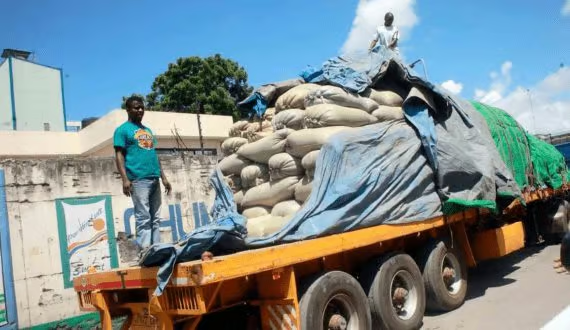

India’s palm oil imports decreased by 10% in July amid India’s festive season
Sunflower oil imports declined by 7% in July as market preferences continued to favor more competitively priced soyoil.
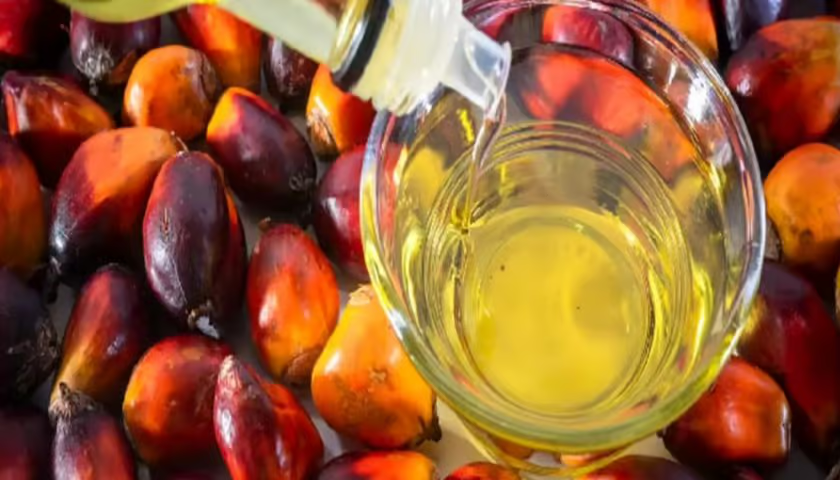
INDIA – India’s palm oil imports fell sharply by 10% in July, totaling 858,000 metric tons, while soyoil shipments increased to a 3-year high, according to industry estimates.
A key reason for the decline was the cancellation of some palm oil cargoes, likely influenced by price fluctuations and rising preference for alternative oils.
This drop contrasts with June’s 11-month high and signals shifting consumer demand and trade dynamics.
While palm oil dropped, soyoil imports surged by 38% month-on-month, reaching 495,000 tons, marking their highest level in the last five years.
This spike was fueled by delayed shipments from June, which finally cleared port congestion at Gujarat’s Kandla port.
The significant rise also reflects India’s strategic shift towards diversifying its edible oil supply, with soyoil sourced predominantly from Argentina, Brazil, Russia, and Ukraine.
Additionally, Sunflower oil imports declined by 7% in July, settling at 201,000 tons, as market preferences continued to favor more competitively priced soyoil.
However, the overall edible oil imports remained steady, rising by 1.5% to 1.53 million tons, the highest monthly total since November 2022.
The modest uptick in overall oil imports aligns with preparations for India’s festive season, which typically sparks higher demand for cooking oils due to increased consumption of sweets and fried foods.
Refineries are responding by stocking up, anticipating a continued boost in retail demand through the coming months.
India’s drop in palm oil purchases may lead to excess inventories in major producing nations such as Indonesia and Malaysia, potentially affecting global palm oil prices.
Remarkably, India also recorded 83,000 tons of duty-free imports from Nepal, up from 75,000 tons in June, highlighting the growing role of regional trade arrangements.
As the edible oil market continues to evolve, India’s shifting import mix underscores broader trends in global trade, pricing strategy, and consumer behavior, especially as food habits respond to seasonal, economic, and logistical changes.
Sign up to HERE receive our email newsletters with the latest news and insights from Africa and around the world, and follow us on our WhatsApp channel for updates.