

Mexico’s grain production lags domestic demand
Corn, wheat and rice imports are expected to rise to make up the difference as the United States continues to be the main supplier for grain and feed.
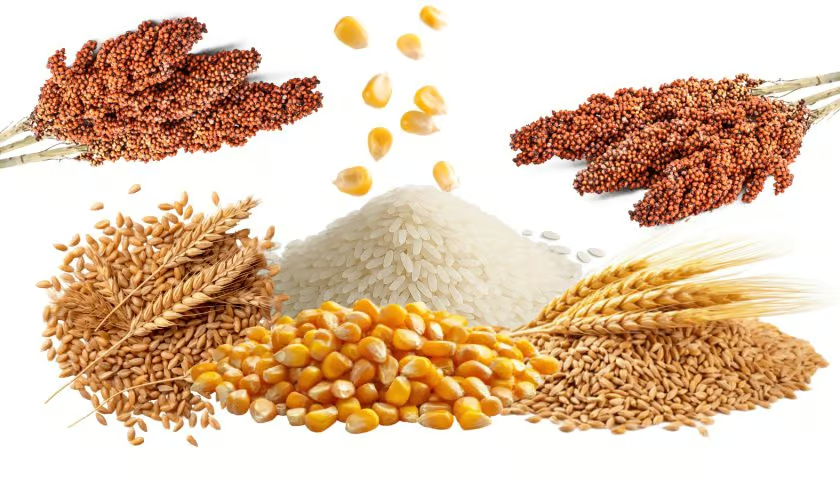
MEXICO – Mexico’s domestic grain harvest continues to fall short of rising national consumption, forcing the nation to rely heavily on international imports to satisfy its expanding food, feed, and industrial processing requirements.
The US Department of Agriculture (USDA) forecasts higher imports of corn, wheat and rice for the 2026/27 marketing year, as population growth and expanding livestock production increase consumption.
Grain demand in marketing year 2026-27 is expected to remain robust, driven by continued population growth and expansion in the cattle, swine and poultry sectors, the FAS said.
“Economic gains support continued purchasing power for food and feed grains even as domestic production remains insufficient to meet rising demand,” the FAS said.
Mexico’s corn production is forecast to decline nearly 2% year on year to 24.5 million tonnes, pressured by limited profitability, continued elevated imports and erratic weather patterns linked to El Niño. Corn imports are projected to increase more than 2% to 26.8 million tonnes, due to lower production and rising demand by the livestock sector.
Total corn consumption in 2026-27 is expected to increase nearly 3% to 52.4 million tonnes in response to increased feed demand from the livestock sector, primarily poultry and hog production.
In 2025-26, the United States accounted for 99% of Mexico’s 21.4 million tonnes of corn imports, while Brazil supplied the other 1%. Yellow corn was 98% of imports, while white corn made up 2%.
“US corn remains a cornerstone of Mexico’s feed grain supply, supported by consistent year-round availability, reliable quality, integrated logistics, and competitive pricing relative to alternative origins,” the FAS said.
Wheat production is forecast to grow nearly 5% to 1.8 million tonnes, driven by higher reservoir levels in key regions. Imports are projected up nearly 4% to 5.9 million tonnes, while exports are forecast stable at 120,000 tonnes due to the limited production.
Rice production is seen dropping 6% to 160,000 tonnes due to sustained low crop prices, rising costs, and elevated imports. Imports are expected to increase by nearly 4% to 830,000 tonnes to offset this decline.
The sorghum harvest is forecast down 6% to 3.1 million tonnes on weaker profitability, erratic weather and limited water availability. Imports are projected to drop 20% to 400,000 tonnes due to decreased sorghum demand based on reduced livestock consumption.
Sign up to HERE receive our email newsletters with the latest news and insights from Africa and around the world, and follow us on our WhatsApp channel for updates.