

Nigeria expects lower wheat, rice, corn production in 2026/27 as costs bites
The expected declines could increase pressure on grain supply chains serving the country’s food manufacturing, milling and livestock feed industries.
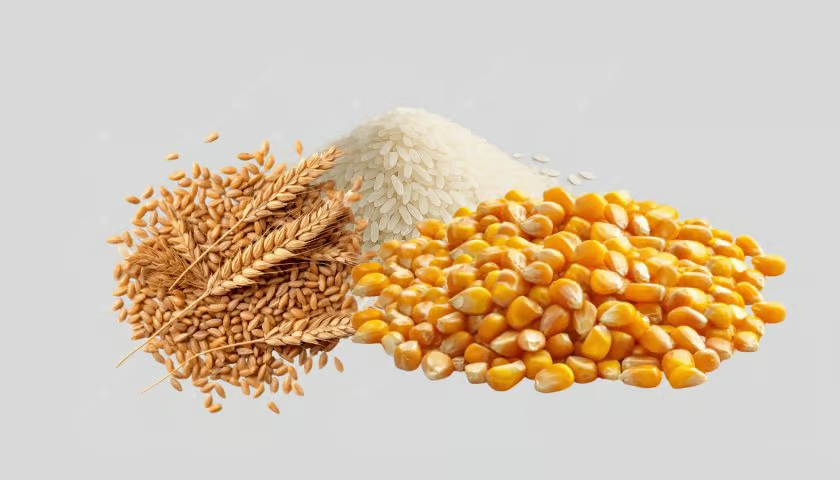
NIGERIA – Nigeria is projected to produce less wheat, rice and corn in the 2026/27 marketing year as rising agricultural input costs, rural insecurity and weaker incentives for farmers weigh on domestic grain production, according to a report from the Foreign Agricultural Service (FAS) of the US Department of Agriculture (USDA).
According to the report, Nigeria’s wheat production is forecast to decline by 8% to 120,000 tonnes.
Wheat imports are also projected to fall by approximately 5% to 5.6 million tonnes, reflecting higher import prices and reduced consumer purchasing power.
Russia remains an important supplier, while shipping bottlenecks and rising logistics costs affecting Black Sea shipments could complicate procurement for Nigerian flour millers.
The outlook matters for the country’s milling and baking industries, which depend heavily on imported wheat to make flour, bread, pasta, noodles, and other wheat-based products.
Any reduction in import availability, combined with higher landed costs, could create additional challenges for millers managing raw-material expenses and maintaining affordable prices for downstream customers.
Corn production is expected to decline by 5% to approximately 11.1 million tonnes during the same marketing year.
Lower output could affect the availability of maize for household consumption, food processing and animal feed manufacturing.
The crop is a major ingredient in poultry feed so that supply disruptions can affect feed producers and livestock farmers.
Farmers are facing mounting production costs, including expenditure on fertilizers, fuel, herbicides and labour.
Rural insecurity also threatens agricultural activity in some producing areas, while unfavourable farmgate prices can discourage farmers from maintaining or expanding planted acreage.
These pressures could weaken production incentives even where demand for grain remains substantial.
Rice production is estimated at 8.8 million tonnes, down 6% from last year.
Rice faces a similar squeeze. Production is forecast to fall 6% to 8.8 million tonnes, while consumption is expected to rise 6% to 9.1 million tonnes, pushing rice imports up 11% to 3.1 million tonnes.
High input prices, competition from lower-priced imported rice and a shift by some farmers towards less input-intensive crops are contributing to the weaker outlook.
Lower domestic output could affect rice processors and traders, although imports may help compensate for part of the supply shortfall.
For Nigeria’s agricultural sector, the projections underline the importance of improving farm productivity, strengthening rural security and expanding access to affordable agricultural inputs.
Better storage, mechanization, irrigation and extension services could also help farmers manage production risks and improve yields.
The forecasts highlight the challenge of balancing affordable food supplies with sustainable returns for domestic producers.
Developments in grain imports, farmgate prices, and harvested areas will remain key indicators of Nigeria’s food security and milling industries throughout the 2026/27 marketing year.
Sign up to HERE receive our email newsletters with the latest news and insights from Africa and around the world, and follow us on our WhatsApp channel for updates.