

Indonesia plans higher palm oil use in biofuel mix by 2026
The country aims to cut fuel imports as global oil prices rise.
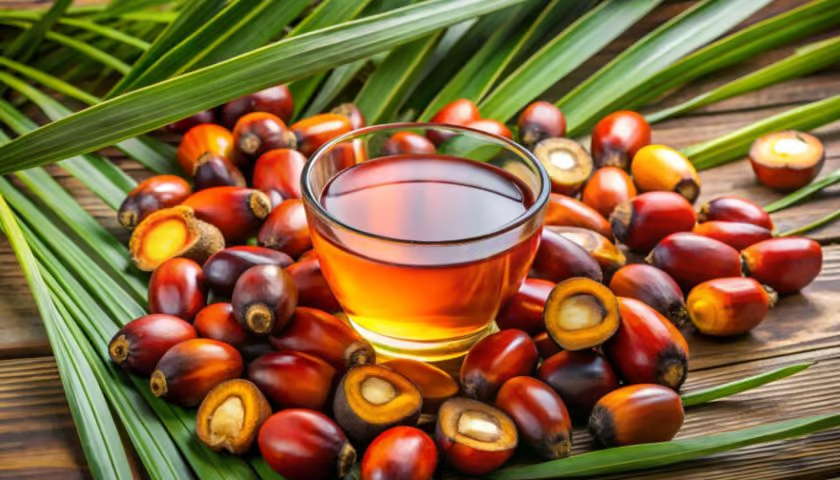
INDONESIA – Indonesia will raise the share of palm oil in its diesel blend to 50 percent in 2026, up from the current 40 percent, as it looks to manage rising energy costs and reduce fuel imports.
President Prabowo Subianto shared the update on March 30 during a visit to Japan, according to Reuters. The move brings back a plan that officials had set aside earlier this year due to cost and technical concerns.
Indonesia first started blending palm oil-based biofuel with diesel in 2008. The goal has always been to rely less on imported fuel. Now, higher global oil prices have pushed the government to act faster.
Recent tensions in the Middle East, including strikes on Iran and the closure of the Strait of Hormuz, have pushed oil prices above US$100 per barrel. This has raised costs for countries that import fuel.
Indonesia imported 37.75 million tonnes of petroleum products in 2025. The country spent about US$23.46 billion on these imports, which made up close to 10 percent of its total goods imports for the year.
A government source said the higher blend could help ease this pressure. “We want to reduce how much we spend on fuel imports and use more of our own resources,” the source said.
Industry and market impact
Officials have not shared a clear timeline for the rollout. The Indonesian Association of Biofuel Producers said road tests for the new B50 blend will likely finish between June and July.
The change could raise demand for palm oil within Indonesia. Data from the US Department of Agriculture shows that the biodiesel sector used 13.5 million tonnes of palm oil in the 2023 to 2024 season. This makes it one of the largest users of the product.
“If domestic demand rises, exports may fall, and that could affect global prices,” said a market analyst.
Higher local use may also support palm oil prices on the Bursa Malaysia Derivatives Exchange. This could narrow the price gap with soybean oil, which competes for market share in global vegetable oil trade.
Market watchers say they will track how fast Indonesia moves and how the shift shapes both supply and pricing in the months ahead.
Sign up to HERE receive our email newsletters with the latest news and insights from Africa and around the world, and follow us on our WhatsApp channel for updates.

