

Milling & Grains – FOOD SAFETY & QUALITY
-

ICRISAT wins top research award at Makueni Agricultural and Trade Fair
The recognition highlights the institute’s work with farmers as demand grows for crops that can withstand dry conditions across Eastern and Southern Africa.
-

South Africa steps up action as Goss’s Wilt spreads to more maize growing regions
The Department of Agriculture has expanded awareness efforts after Goss’s Wilt spread to eight of the country’s nine provinces.
-
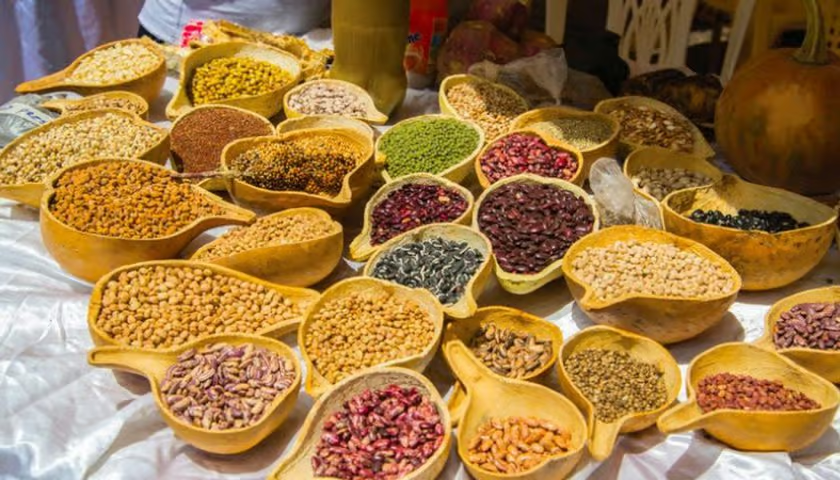
Tanzania farmers push for wider use of indigenous seeds
Advocates say traditional seed varieties can strengthen food security, cut production costs and help farmers cope with climate pressures.
-

KALRO, KEBS raise alarm over dangerous aflatoxin levels in Kenyan grains
Tests found some grain samples contained aflatoxin levels up to 50 times above the legal limit, renewing concerns about food safety and public health in Kenya.
-
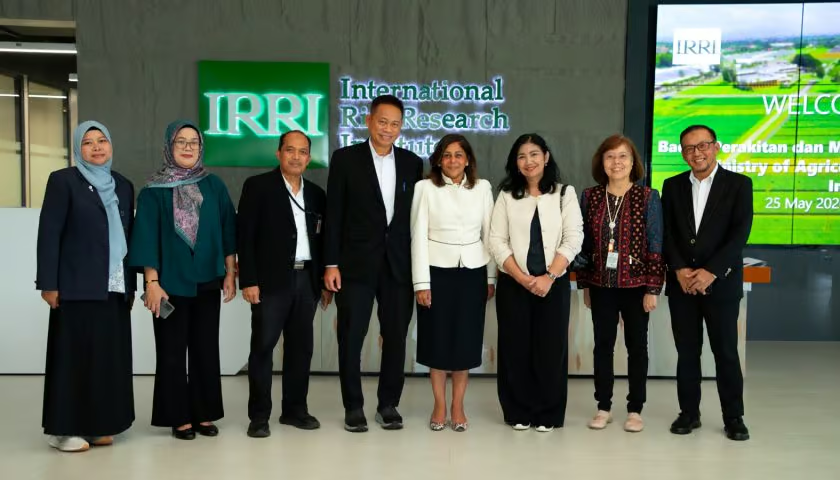
IRRI, Indonesia renew rice research partnership to support climate-ready farming
The renewed agreement builds on more than six decades of cooperation between Indonesia and IRRI as both sides seek to strengthen rice production, research capacity, and climate resilience.