Skip to content


Commodity & Trade Updates
-
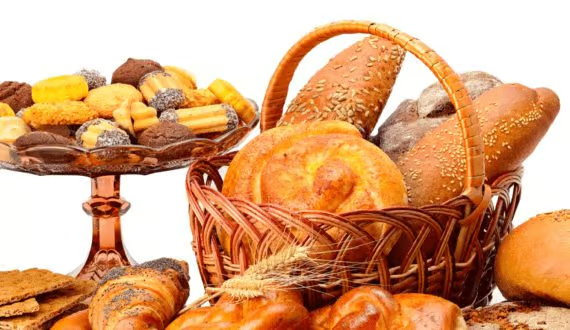
CPI for baked foods, cereal products rises again
The tariffs announced in March have had very little impact on food prices so far.
-

Nigeria’s biscuit demand drops as consumer purchasing power plummets
In a country where the minimum wage is ₦70,000 (approximately $50) per month, rising inflation has forced many Nigerians to prioritize their spending.
-

Turkey’s flour exports plunge 39% in Q1 2025 amid wheat import ban
This downturn is attributed to wheat import restrictions imposed in June 2024, which disrupted the supply chain for flour producers.
-

U.S. presses Kenya to reform maize trade rules as demand for feed grain surges
Kenya currently imposes a 50% ad-valorem duty on maize imports from countries outside the East African Community (EAC), in line with the EAC’s Common External Tariff (CET).
-

India set for third consecutive record wheat harvest in 2025-26: USDA
Wheat consumption is forecast to rebound in 2025-26 to 109 million tonnes, recovering from last year’s dip to 104 million tonnes.