
Bangladesh plans to purchase 25 aircraft from U.S. to strengthen trade ties under wheat import deal
Bangladesh currently imports around 7 million tonnes of wheat annually, mainly from the Black Sea region.
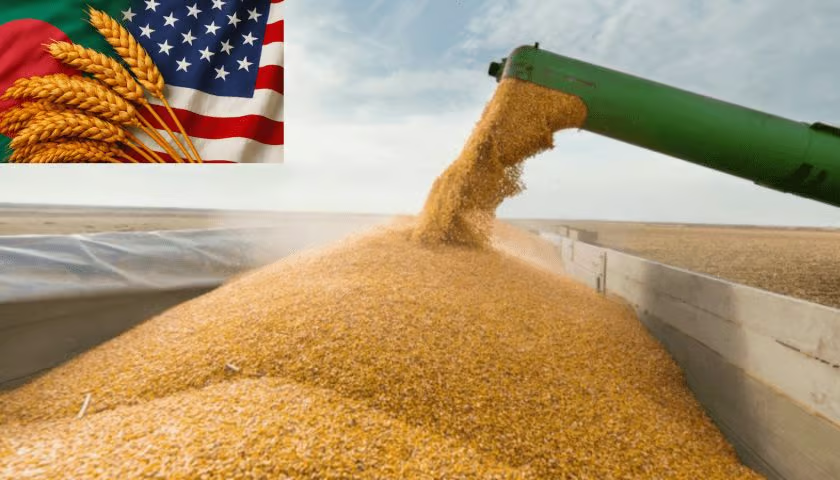
BANGLADESH/USA – In a strategic push to deepen economic relations with the United States, Bangladesh has announced plans to purchase 25 aircraft from Boeing and signed a landmark agreement to import 700,000 tonnes of wheat annually over the next five years.
The moves come amid mounting pressure from the Trump administration to reduce a US$6 billion trade deficit and secure relief from steep tariffs on Bangladeshi exports.
The initiatives are part of Dhaka’s broader effort to rebalance trade and mitigate the impact of a looming 35% U.S. tariff on Bangladeshi goods, particularly garments, which dominate the country’s exports to the United States.
Commerce Secretary Mahbubur Rahman announced an expansion of the aircraft order from 14 to 25 planes, underscoring the pressing need to modernise the fleet and boost passenger volume.
Negotiations with Boeing are at an advanced stage, although delivery timelines depend on production capacity. The aircraft will support Biman Bangladesh Airlines’ long-term expansion plan, which aims to grow its fleet to 47 planes by 2034.
Additionally, the wheat import agreement, signed in Dhaka between the Ministry of Food and US Wheat Associates, is expected to ensure a steady supply of high-quality wheat at competitive prices. Bangladesh currently imports around 7 million tonnes of wheat annually, mainly from the Black Sea region.
The new deal marks a shift toward sourcing from the U.S., aligning with efforts to diversify suppliers and strengthen bilateral ties.
Food Minister Ali Imam Majumder emphasised that the deal reflects Bangladesh’s commitment to building mutual trust and securing essential commodities amid global supply chain uncertainties.
The recent tariff increase has shaken Bangladesh’s export sector, particularly the ready-made garments industry, which now fears losing its edge in the U.S. market. In response, officials are aiming to boost imports of American goods, such as soybean oil and cotton, as a strategic move to encourage reciprocal benefits and potentially improve U.S. trade relations.
A high-level delegation from Bangladesh is scheduled to meet with the United States Trade Representative (USTR) from July 29 to 31, to negotiate a reciprocal tariff agreement before the new rates take effect on August 1.
The government is also considering including private sector representatives in the talks to ensure broader stakeholder engagement.
As Bangladesh navigates a shifting global trade landscape, these deals signal a proactive approach to safeguarding its economic momentum and securing strategic partnerships.
Sign up to HERE receive our email newsletters with the latest news and insights from Africa and around the world, and follow us on our WhatsApp channel for updates.