
Fertiglobe evaluates US$1.5B phosphate fertilizer complex in Egypt
The ambitious facility is designed to feature an annual production capacity of approximately 1.3 million metric tonnes of diammonium phosphate (DAP), marking a strategic diversification into phosphate nutrients alongside Fertiglobe’s established nitrogen fertilizer operations.
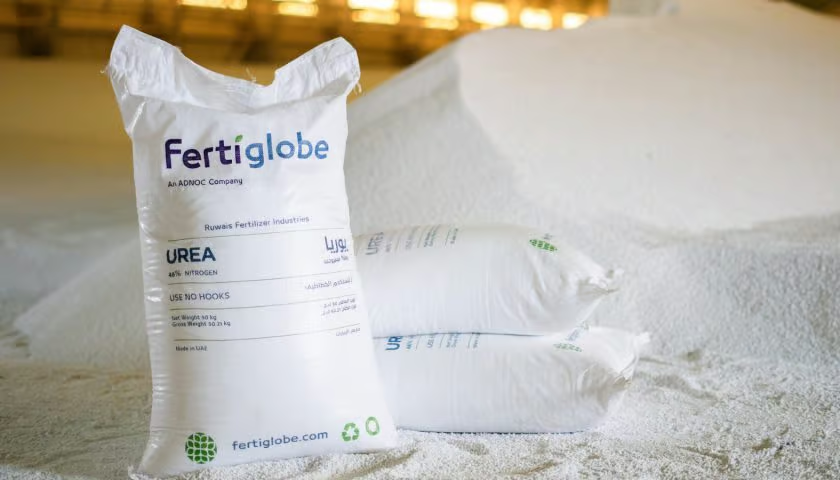
EGYPT – Fertilizer producer Fertiglobe is assessing plans to invest more than US$1.5 billion in an integrated phosphate fertilizer complex in Ain Sokhna, as the country seeks to expand domestic mineral processing and strengthen its position in international fertilizer markets.
The proposed facility would have an annual production capacity of 1.3 million tonnes of diammonium phosphate (DAP), with commercial operations targeted for 2031, subject to the completion of feasibility studies and a final investment decision.
The preliminary project was discussed on 18 October 2026 during a meeting between Egypt’s Minister of Petroleum and Mineral Resources, Karim Badawi, and Fertiglobe chief executive Ahmed El-Hoshy.
Fertiglobe, which is part of Abu Dhabi National Oil Company (ADNOC), is working with consultants to assess the technical and economic viability of the proposed development.
A key requirement is securing reliable, long-term supplies of phosphate rock, the primary raw material for phosphate fertilizer production.
Egyptian authorities have directed Fertiglobe to coordinate with the Mineral Resources and Mining Industries Authority and other stakeholders to identify suitable deposits and evaluate potential supply agreements.
Further assessments will cover production technology, energy requirements and the infrastructure needed to support the complex.
The proposed facility is expected to integrate phosphoric acid production with the manufacture of finished fertilizers, drawing on Egypt’s domestic ammonia supplies and existing industrial infrastructure.
This approach could allow the country to capture greater value from its mineral resources instead of exporting raw materials for processing elsewhere.
The investment proposal builds on Fertiglobe’s existing presence in Ain Sokhna, where the company operates ammonia and urea production facilities.
The additional phosphate fertilizer capacity would broaden its product portfolio and potentially strengthen its access to agricultural markets in Africa, the Middle East and other export destinations.
Egypt is pursuing a wider strategy to expand mineral processing and fertilizer manufacturing through major industrial investments.
The proposed Fertiglobe complex would join other phosphate-related developments intended to increase domestic production, attract foreign investment and generate export revenues.
During the meeting, the Egyptian government and Fertiglobe also discussed the potential to localize production of AdBlue, a urea-based solution used in diesel vehicles equipped with selective catalytic reduction systems to reduce nitrogen oxide emissions.
The proposal would make use of locally produced urea, although further technical and economic assessments are required.
While the planned complex could significantly increase Egypt’s phosphate fertilizer capacity, its implementation remains dependent on feasibility results, raw material supply arrangements and investment approval.
If realized, the project would represent a major addition to the country’s downstream fertilizer industry.
Sign up to HERE receive our email newsletters with the latest news and insights from Africa and around the world, and follow us on our WhatsApp channel for updates.