
USDA-ARS opens new plant bioscience research facility
The facility houses four ARS research units that will work together on science-based solutions to problems in cereal and pulse crop production affecting US farmers.
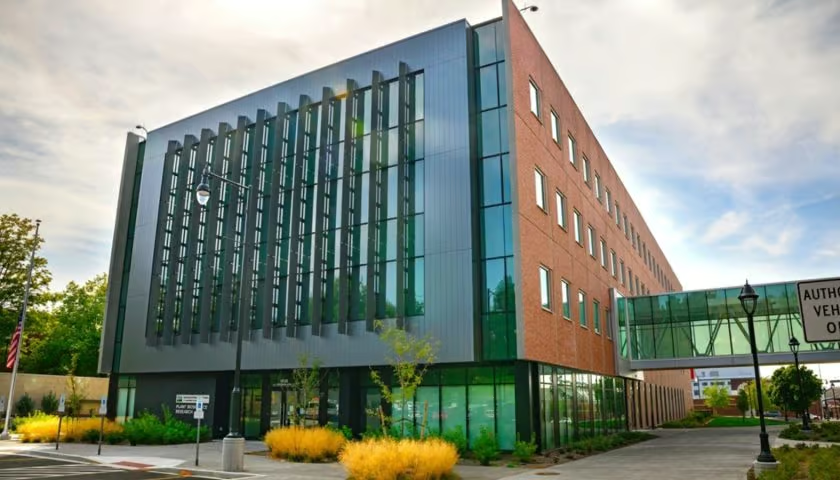
USA – The US Department of Agriculture’s Agricultural Research Service (USDA-ARS) and Washington State University (WSU) have opened a 100,000-square-foot plant bioscience research facility in Pullman, Washington, to advance agricultural science, improve crop productivity and strengthen the resilience of farming systems across the Pacific Northwest.
The USDA-ARS Plant Bioscience Research Building was officially opened on 14 October 2026, bringing federal and university researchers together in laboratories and collaborative workspaces designed to address challenges in crop production, plant health, soil management and agricultural sustainability.
The facility will focus on improving the health, resilience and profitability of both dryland and irrigated agriculture.
The building houses four USDA-ARS research units: Wheat Health, Genetics, and Quality; Grain Legume Genetics and Physiology; Northwest Sustainable Agroecosystems; and Plant Germplasm Introduction and Testing.
Their research will support science-based solutions for cereal and pulse crop production, with potential benefits for farmers, food security, and agricultural supply chains.
The new facility builds on a research partnership between USDA-ARS and WSU that dates back to 1931.
According to WSU, the collaboration has improved wheat varieties, pest and disease resistance, food-grade winter pea varieties, and research into sustainable farming systems.
The partnership has also advanced precision and regenerative agriculture through work on nutrient efficiency, water management, soil health and crop productivity.
Potato research is among the activities expected to benefit from the upgraded infrastructure.
The building includes specialized storage facilities and a kitchen for WSU’s post-harvest potato research team, enabling scientists to conduct experiments on crop quality, storage conditions and shelf life.
The research is expected to help develop improved potato varieties, refine breeding and testing processes, and reduce food losses by improving storage practices.
Scientists will also work on wheat breeding and weed science, including challenges posed by herbicide-resistant weeds that threaten crop production.
The facility replaces Johnson Hall, which was demolished in 2022 and 2023. Planning for the new building had been underway for more than two decades, reflecting sustained investment in agricultural research infrastructure and collaboration between federal and state institutions.
USDA-ARS Administrator Joon Park said the facility would bring federal and university researchers together to accelerate discoveries farmers and ranchers need.
WSU President Betsy Cantwell also highlighted the role of research partnerships in strengthening agricultural economies, supporting growers and advancing food security.
The project received support from agricultural industry organizations, including the Washington Grain Commission, Washington State Potato Commission, Washington Tree Fruit Research Commission, Washington State Wine Commission and USA Pulses.
The new building is expected to strengthen research capacity across the Pacific Northwest, helping translate advances in plant and soil science into practical solutions for farmers facing production, environmental and market challenges.
Sign up to HERE receive our email newsletters with the latest news and insights from Africa and around the world, and follow us on our WhatsApp channel for updates.