S&P Global: Egypt faces wheat supply pressure as black sea conflict escalates
The logistics bottlenecks threaten the grain flow of the world’s top wheat buyer, exposing the country’s bread subsidy program to surging import costs.
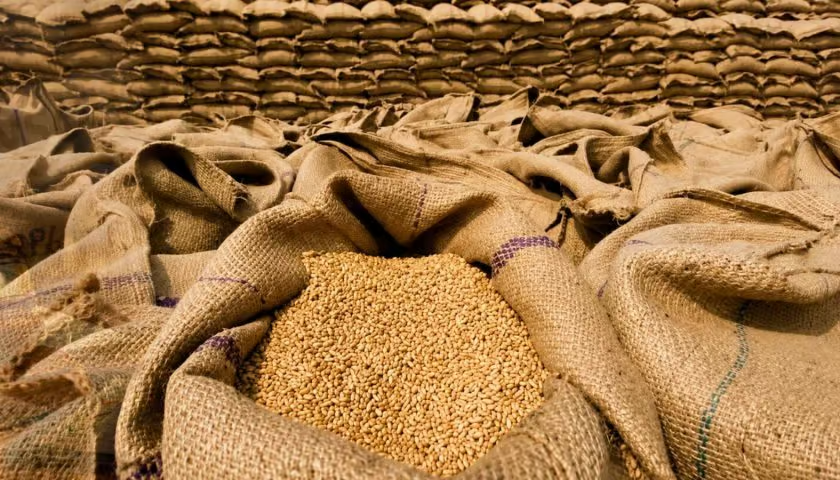
EGYPT – Egypt is facing growing pressure on its wheat supply chain as escalating Russian-Ukrainian attacks on Black Sea ports, vessels and grain infrastructure disrupt shipments and push global wheat prices higher.
The developments are particularly significant for Egypt, one of the world’s largest wheat importers, whose market remains heavily dependent on supplies from Russia and Ukraine.
More than 82% of Egypt’s wheat imports during the first half of 2026 reportedly originated from the two Black Sea suppliers, leaving the country exposed to disruptions in shipping and export availability.
The latest escalation has affected both major exporters. Ukrainian attacks on Russian grain infrastructure and Russia’s strikes against Ukrainian ports and vessels have increased risks for ships operating in the Black Sea.

Ukraine’s main Black Sea ports, which previously handled the majority of the country’s grain exports, have faced severe disruptions, forcing exporters to rely more heavily on alternative routes through the Danube.
However, congestion around the Danube has limited these routes’ ability to compensate for lost Black Sea capacity.
For Egyptian importers, the disruption is already translating into higher costs. According to S&P Global, Russian 12.5% wheat was offered at about 15,000 Egyptian pounds (US$298.48) per metric ton on August 26, up from around 14,200 pounds (US$282.58) at the beginning of July.
Ukrainian 11.5% wheat, meanwhile, had traded at approximately 13,900 pounds in early July. Importers are reportedly facing losses at current replacement costs as market prices rise and supply becomes more difficult to secure.
The international market is also reflecting the growing concern. Chicago wheat futures recently reached their highest level since July 2023, with prices gaining sharply as traders assessed the potential for prolonged disruptions to Black Sea exports.
Russia and Ukraine account for a substantial share of global wheat supplies, making any prolonged interruption a major concern for import-dependent countries across Africa and the Middle East.
Egypt has previously sought to reduce its dependence on Russia and Ukraine by purchasing wheat from alternative origins, including Romania, France, Bulgaria and other suppliers. However, replacing Black Sea wheat could prove expensive because alternative origins generally involve longer shipping distances and higher freight costs.
Reuters reported that wheat from Australia, for example, could cost substantially more than Black Sea supplies.
The latest supply shock therefore challenges Egypt’s food-security strategy, particularly as demand rises and inventories remain under pressure.
With bread forming a critical part of the Egyptian diet and subsidized bread serving millions of consumers, sustained wheat price increases could place additional pressure on government finances and food prices.
Egypt’s ability to diversify suppliers, strengthen domestic procurement and secure alternative shipping routes will be crucial if Black Sea disruptions persist.
Sign up to HERE receive our email newsletters with the latest news and insights from Africa and around the world, and follow us on our WhatsApp channel for updates.