

Ethiopia
-
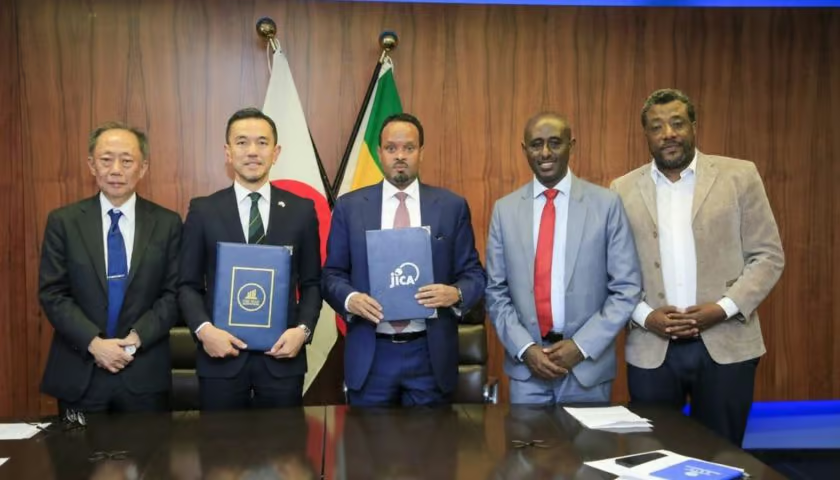
Ethiopia secures US$2.3M Japan grant to mechanize rice sector
Ethiopia imports about 80% of the rice it consumes, while the government aims to reach 1.93 million tonnes of paddy rice output by 2030.
-
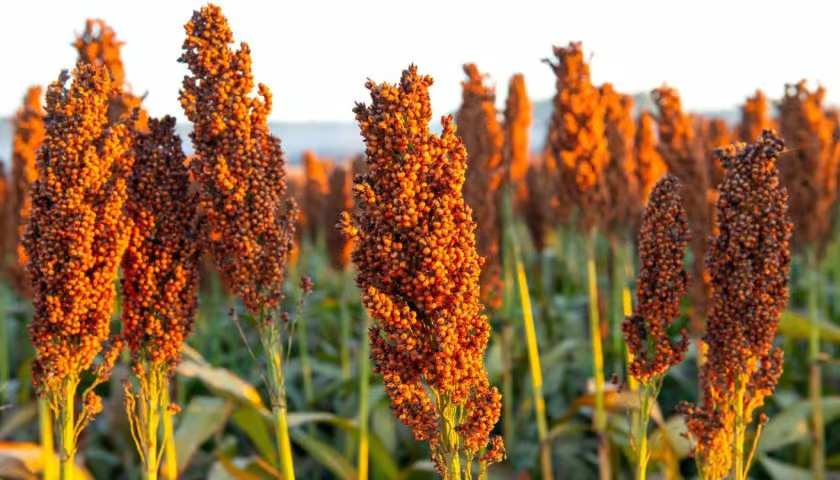
Ethiopia targets sorghum commercialization to boost regional trade
The investment drive aims to connect Ethiopia’s sorghum production potential with capital, technology, enterprise and markets.
-

Ethiopia links research and industry to strengthen local malt barley production
The new agreement aims to cut imports by improving seed development, grain quality and support for farmers as demand from breweries continues to rise.
-

Dangote Group raises Ethiopia fertilizer plant cost to over US$4B
The revised budget reflects added infrastructure, including a gas pipeline, power plant, and fertilizer blending unit, as Ethiopia pushes to cut fertilizer imports.
-

ICRISAT, FWGA launch school nutrition project focused on whole grains
The three-year project will support school feeding programs in India, Uganda, and Ethiopia while new ICRISAT research shows sorghum can maintain yields with less nitrogen fertilizer.