

Commodity & Trade Updates
-
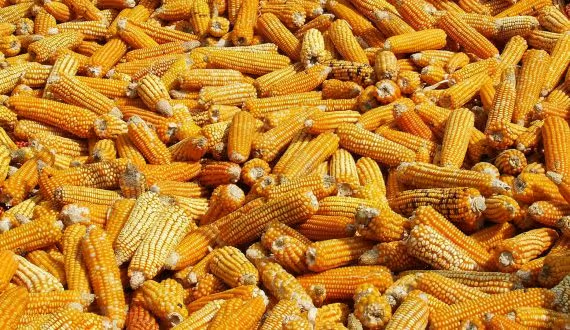
Maize set to overtake wheat as Egypt’s leading imported cereal amid feed demand rise
The shift highlights a changing structure in Egypt’s grain market: wheat remains the country’s most strategically important food crop, but rising demand for poultry and livestock feed is increasing the need for imported maize.
-
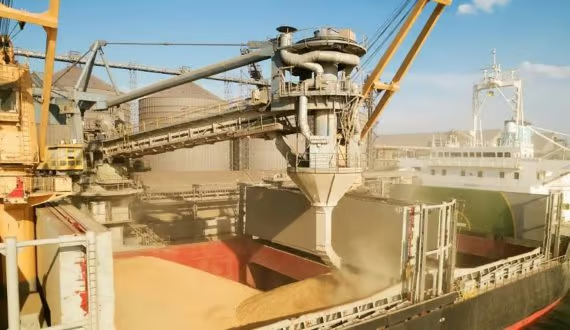
Russia reroutes agricultural exports to Baltic Sea amid southern maritime disruptions
The operational shift follows temporary shutdowns across major southern export facilities, including grain terminals.
-

Consumer trust in AI Agents redefines snack purchasing trends
The findings highlight a rapid behavioral transition from manual online browsing to automated decision-making in everyday consumer packaged goods categories.
-
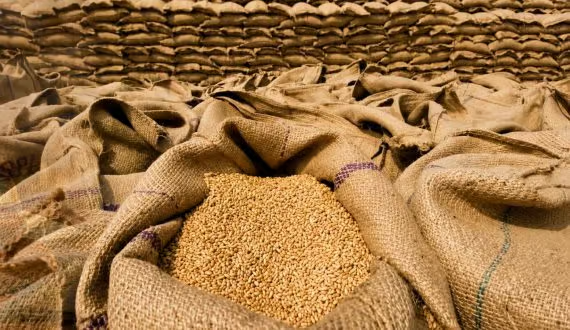
S&P Global: Egypt faces wheat supply pressure as black sea conflict escalates
The logistics bottlenecks threaten the grain flow of the world’s top wheat buyer, exposing the country’s bread subsidy program to surging import costs.
-

CHS, OCP launches US$450M fertilizer joint venture to strengthen US phosphate supply
The proposed plant is expected to produce more than 1 million metric tonnes of phosphate-based fertilizer annually, creating a substantial new source of domestically manufactured crop nutrients for American farmers.