

Commodity & Trade Updates
-
Superior Ag opens new US$20M fertilizer river terminal
The facility features modern unloading, storage and handling capabilities designed to improve operational efficiency while increasing fertilizer availability during critical application windows.
-
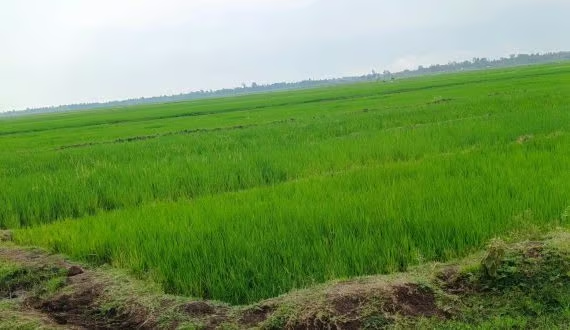
Researchers launch low-emission rice farming study
The study began in April 2026 at an experimental field operated by IPB University and will run for one year under controlled conditions.
-

Oman secures US$105M integrated fertilizer complex
The project is expected to manufacture a range of fertilizer and industrial products for domestic and international markets.
-

Syria restores wheat self-sufficiency, sets sights on expanding agricultural exports
This achievement follows years of declining output, heavy reliance on imports, and severe disruptions from drought and conflict, with last year’s harvest totaling only around 350,000 tons.
-

Argentina’s July corn exports surge to 5.14M metric tons
The figure surpassed the previous monthly record of 5.08 million tonnes registered in April and highlights the country’s growing importance in global corn markets amid a historically strong 2025/26 crop.