Skip to content


Maize
-

Rwanda targets 50% uptake of hybrid maize seeds by 2030
The initiative is part of broader national strategies aiming to produce 874,337 tonnes of maize by 2029
-
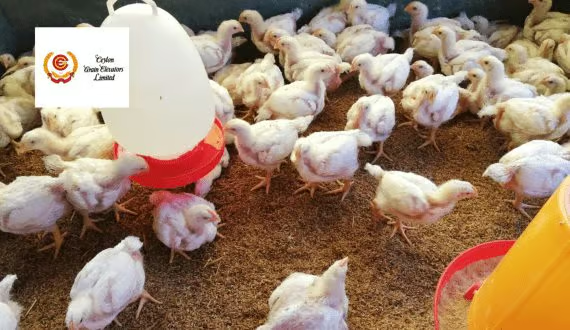
Sri Lanka’s maize policy stalls poultry sector, says CGE
Maize accounts for a significant portion of poultry feed, yet Sri Lanka’s local cultivation fulfils less than 50% of national demand
-

Kenya to inject US$15M to combat GMO misinformation, boost biosafety awareness
A key pillar of the plan is to address public skepticism by enhancing biosafety awareness among farmers, consumers, and stakeholders.
-
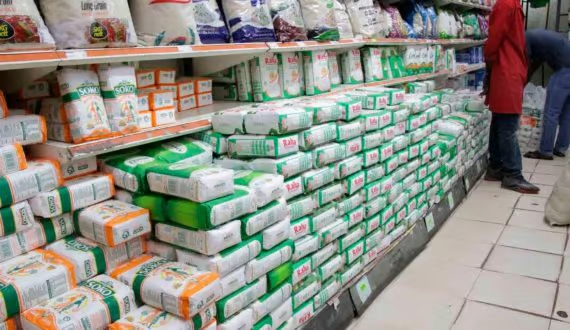
Maize flour prices surge in Kenya amid grain shortage, feed competition
According to KBNS, the price hike is attributed to intensified competition for maize between human food processors and animal feed manufacturers.
-
IITA’s new maize hybrid delivers on yield, resilience in Nigeria
SAMMAZ77 achieved 5–35% higher yields under combined stressors of fall armyworm infestation, Striga parasitism, and severe drought.