

Commodity & Trade Updates
-
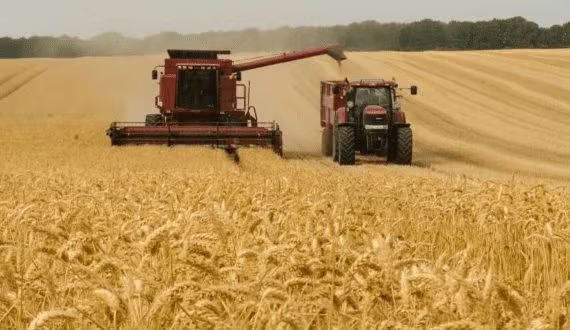
Wheat production in the US achieves major sustainability advancements – Study finds
The results indicate that greenhouse gas emissions have decreased by 33% due to more efficient fertilizer use and precision application, while energy use has dropped by 57% thanks to improved fuel efficiency and reduced tillage.
-

China, Australia strengthen grains industry ties with landmark MoU
Under the MoU, both nations will explore research opportunities to identify blending options for Chinese and Australian wheat and flour.
-

Japan aims to boost rice exports eightfold by 2030 amid domestic shortage
The government’s export target of 350,000 tons by 2030 represents about half a month’s domestic consumption, which stands at approximately 6.6 million tons annually.
-
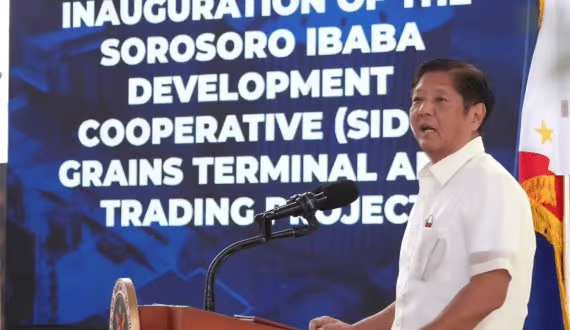
Philippines inaugurates US$5M grain terminal, secures JICA loan to improve rice post-harvest infrastructure
The facility was made possible through a US$1.8 million loan from the World Bank, with an additional US$3.3 million in funding provided by the Philippine Rural Development Project and the Sorosoro Ibaba Development Cooperative (SIDC).
-

Senegal boosts local maize sector with 5,000-ton purchase deal to cut imports
The renewed focus on local maize production stems from the government’s intent to reduce reliance on imports from countries like Argentina and Brazil.