

Colombia’s corn, rice production forecast to decline in 2026/27
USDA-FAS projects a 6.9% drop in total corn output to 1.35 million metric tons, while milled rice production is anticipated to decline by 6.7% to 1.8 million metric tons.
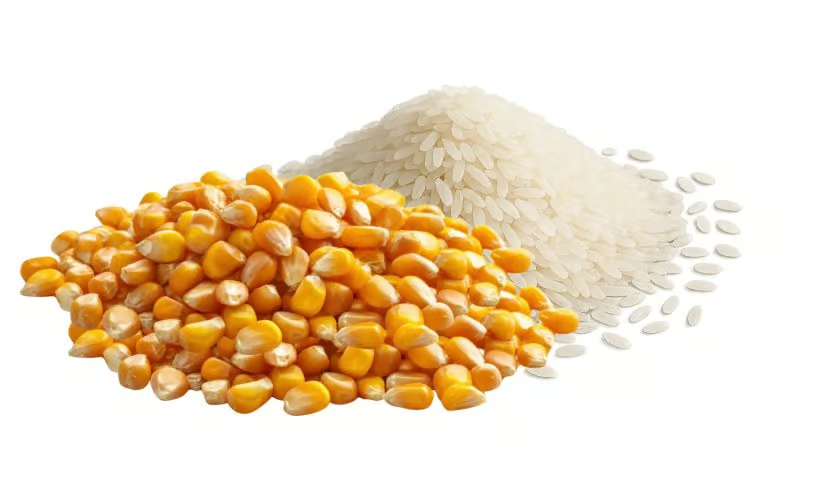
COLOMBIA – Corn and rice production is expected to decline during the 2026/27 marketing year as the effects of El Niño and persistently low farmgate prices discourage farmers from expanding cultivated areas, according to a report by the US Department of Agriculture’s Foreign Agricultural Service (USDA-FAS).
The USDA forecasts Colombia’s corn production to fall by 6.9% to 1.4 million tonnes, reflecting the impact of higher temperatures and extreme heat associated with El Niño.
The weather phenomenon is expected to create unfavourable growing conditions, potentially affecting crop development and yields.
Low prices received by farmers have also weakened incentives to increase corn production, limiting the expansion of planted areas.
The decline comes as domestic demand continues to grow, particularly from the animal feed industry, which remains a major consumer of the grain.
Corn consumption is projected to reach 9.76 million tonnes in 2026/27, supported by modest growth in the animal feed sector, while food, seed and industrial consumption is expected to remain relatively stable.
To bridge the widening gap between domestic production and consumption, corn imports are forecast to increase by 1.2% to 8.3 million tonnes compared with the revised 2025/26 estimate.
The United States is expected to maintain its dominant position as Colombia’s principal supplier, accounting for more than 95% of total corn imports.
Rice production is also expected to experience a significant contraction. The USDA forecasts milled rice output at 1.8 million tonnes, representing a 6.7% decline from the revised estimate for 2025/26.
The reduction is attributed to El Niño-related weather risks and declining farmgate prices that began in late 2024, discouraging farmers from expanding rice cultivation.
Meanwhile, milled rice consumption is projected to increase slightly to 2.03 million tonnes, supported by population growth and gradual economic recovery.
To compensate for lower domestic availability, rice imports are expected to surge by 122% year-on-year to 240,000 tonnes.
The USDA attributes the anticipated increase to reduced local production, competitive international prices and appreciation of the Colombian peso, which makes imported rice more affordable.
The United States is expected to regain market share, benefiting from competitive pricing and ongoing trade disputes between Colombia and Ecuador.
The declining production outlook highlights the challenges facing Colombia’s grain industry, particularly the vulnerability of domestic agriculture to climate variability and weak producer returns.
Greater reliance on imported cereals could create additional opportunities for international grain exporters while increasing the importance of efficient import logistics and supply-chain management.
Sign up to HERE receive our email newsletters with the latest news and insights from Africa and around the world, and follow us on our WhatsApp channel for updates.