

Wheat
-
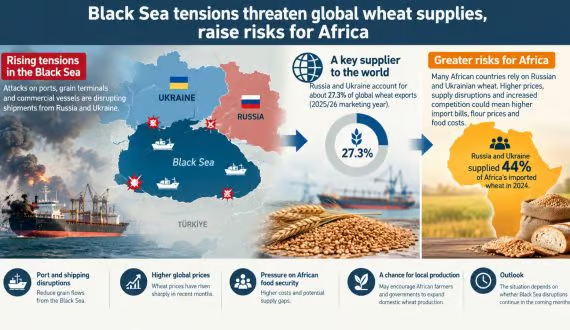
Black Sea tensions threaten global wheat supplies, raise risks for Africa
Black Sea tensions are putting fresh pressure on global wheat supplies, with disruptions to Russian and Ukrainian exports creating risks for import-dependent markets across Africa.
-
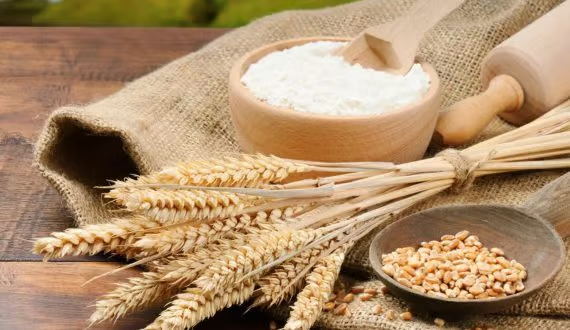
Nigeria accelerates drive to meet soaring domestic wheat demand
Nigeria is intensifying efforts to bridge the widening gap between domestic wheat production and surging consumption, even as imports remain the primary source of supply.
-
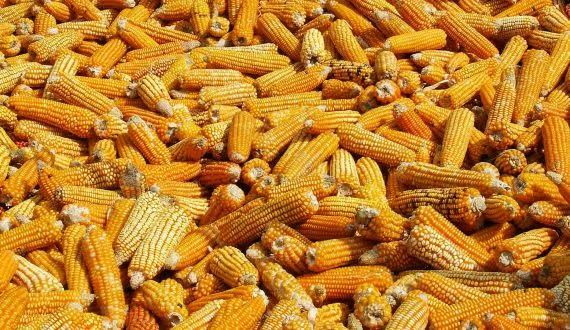
Maize set to overtake wheat as Egypt’s leading imported cereal amid feed demand rise
The shift highlights a changing structure in Egypt’s grain market: wheat remains the country’s most strategically important food crop, but rising demand for poultry and livestock feed is increasing the need for imported maize.
-
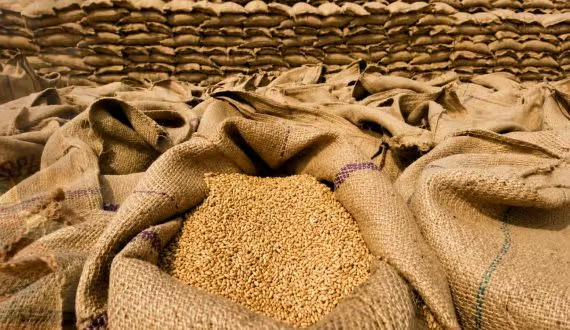
S&P Global: Egypt faces wheat supply pressure as black sea conflict escalates
The logistics bottlenecks threaten the grain flow of the world’s top wheat buyer, exposing the country’s bread subsidy program to surging import costs.
-

UAE, Egypt activate five-year wheat supply agreement to secure grain buffer
The agreement is designed to provide Egypt with a reliable and sustained supply of imported wheat, a critical commodity for the country’s food-security system.